Breaking News
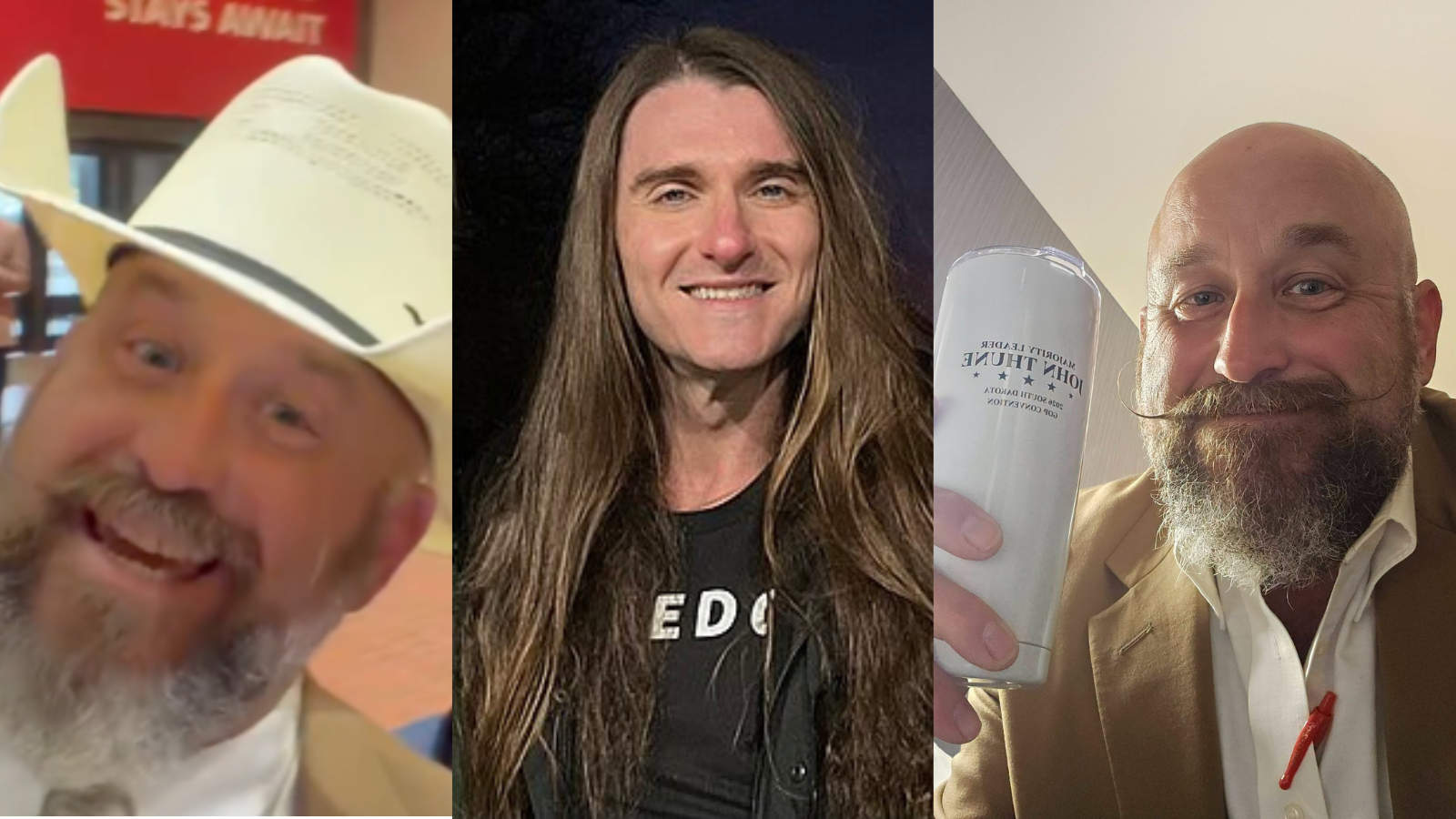
Scott Presler told to "GET THE HELL OUT" of South Dakota GOP event by Sen. John Thune's STAFFER!
By The Patriot Oasis
Read Story By The Patriot Oasis
Read Story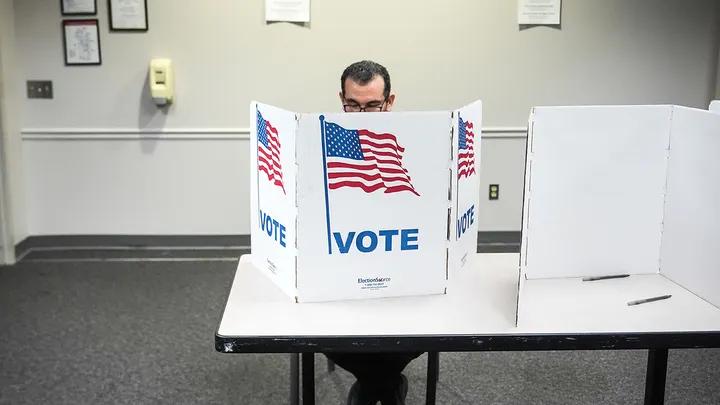
Attorneys representing a French national who recently admitted to illegally casting a ballot in the 2022 federal midterm elections told Fox News Digital that he thought he was allowed to vote because he was automatically registered when he received his New Jersey driver’s license. Eliezer Kadoch, 39, of Toms River, pleaded guilty to voting by an alien in a federal election before U.S. Magistrate Judge J. Brandon Day in Trenton federal court, according to a statement from the U.S. Attorney's Office for the District of New Jersey. Though Kadoch is a citizen of France and has never held U.S. citizenship, he illegally voted on Nov. 8, 2022, during an election that was held in part to elect members of the U.S. House of Representatives, according to court documents. Attorney Yosef Jacobovitch, who is representing Kadoch, says that when his client cast the ballot, he "mistakenly believed" he was legally permitted to vote because he had been automatically registered when he obtained his New Jersey driver’s license. "Mr. Kadoch accepted responsibility for his actions," Jacobovitch said. "... There was never any intent to violate the law or cast an unlawful ballot. Unfortunately, the offense to which he pleaded guilty does not require proof of criminal intent, and he now fully understands that." Kadoch now faces up to six months in federal prison and a $100,000 fine, according to officials. His sentencing is scheduled for Oct. 26.
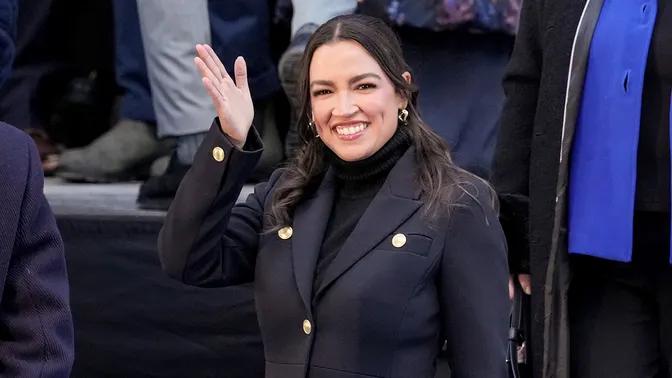
The four-term "Squad" member crushed her two Democratic primary challengers running to unseat her in New York’s 14th Congressional District. Coupled with the victories by three fellow progressives in her state, the results fueled speculation that Ocasio-Cortez could potentially mount a successful primary race against Senate Minority Leader Chuck Schumer, D-N.Y. Ocasio-Cortez’s comments come after broader speculations have continued to swirl around the possibilities of her political future. The progressive New York Democrat has also refused to rule out a 2028 presidential run, telling Fox News Digital "maybe, maybe not" on whether her running for president was in consideration. The victories by candidates backed by socialist New York City Mayor Zohran Mamdani over more moderate Democrats also fueled debate over whether the progressive wing is becoming a national blueprint for the Democratic Party. Asked whether the wins by candidates critical of Israel represented a blueprint for Democrats nationally, Ocasio-Cortez shifted the focus from policy to campaign strategy. "It's not only about our substantive positions, but also how we organize and run as well," she said.
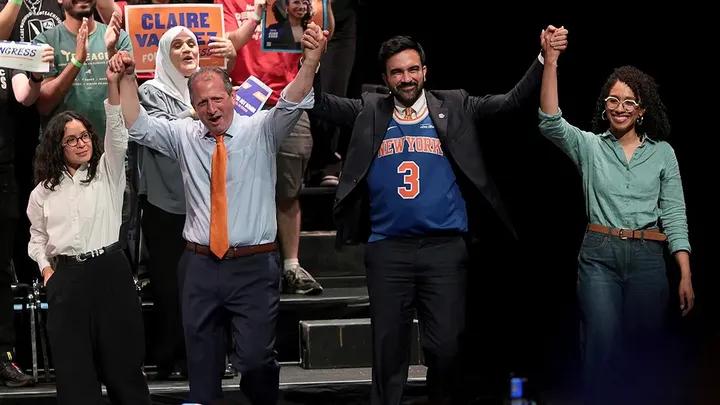
Ahead of this week's closely watched Democratic congressional primaries in New York, New York City Mayor Zohran Mamdani stressed that the party "must change." On Tuesday, the 34-year-old democratic socialist mayor of the nation's most populous city took a major step toward that goal as three far-left congressional candidates he endorsed and campaigned tirelessly for defeated more mainstream Democrats, including two incumbents. The victories by the Mamdani-backed candidates guarantee that the number of Democratic Socialists of America-aligned candidates will at least double in the next Congress and give Republicans further ammunition as they continue to portray all Democrats as far-left radicals. A decade after progressive champion Sen. Bernie Sanders of Vermont came close to capturing the Democratic presidential nomination, and eight years after Alexandria Ocasio-Cortez burst onto the national stage by ousting then-House Democratic Caucus Chairman Joe Crowley in a shocking primary upset, the far left appears further emboldened as it takes on the center-left establishment in a high-stakes battle for the future of the party. Darializa Avila Chevalier, the 32-year-old Mamdani-backed community organizer and democratic socialist who narrowly topped incumbent Democrat Adriano Espaillat, the 71-year-old Congressional Hispanic Caucus chair and the first Dominican American elected to the U.S. House, called her victory a "clear mandate." Mamdani-endorsed state Assembly Member Claire Valdez, who won her primary on Tuesday in New York's 7th District, emphasized in her victory speech that "we haven't just won an election. We have declared that this movement is durable — that it is growing, and that it will not stop until working people are no longer asked to just build the table, no longer just offered a seat at the table, but will run the table." In the race to succeed retiring Democratic Rep. Nydia Velazquez, Valdez topped the congresswoman's handpicked candidate, Brooklyn Borough President Antonio Reynoso, by over 20 points. Mamdani, whose kingmaker status was dramatically boosted by the primary victories, said Wednesday that he sees "these results as a reflection of the fact that New Yorkers are hungry for a new kind of politics."
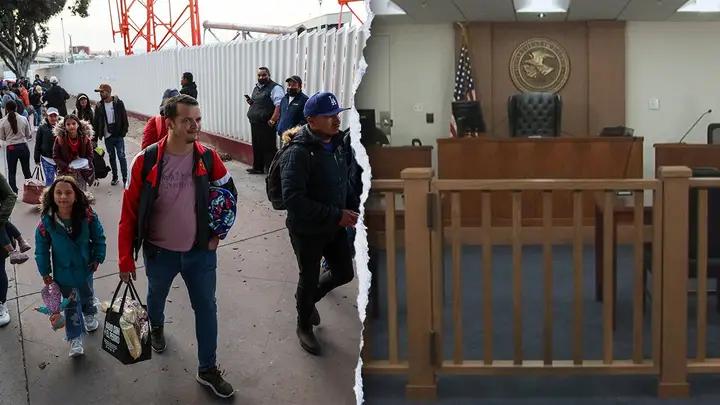
The Supreme Court’s Thursday decision to restrict asylum applications, hailed by immigration hawks, could actually end up increasing illegal crossings, according to the three dissenting justices and immigration nonprofit involved in the case. On Thursday, the Supreme Court held in Mullin v. Al Otro Lado that migrants must physically set foot in the United States in order to be eligible for asylum, reversing lower court rulings that had required the government to process certain asylum seekers turned away at ports of entry. While the decision is broadly viewed as making asylum claims more difficult to secure, an objective of the Trump administration, Justice Sonia Sotomayor and Al Otro Lado both argue that it may have unintended consequences. "This Court has previously recognized that immigration statutes and procedures should not be construed to ‘create a perverse incentive to enter at an unlawful rather than a lawful location. Yet, the majority’s construction does exactly that," Sotomayor wrote in her dissent. "It tells asylum seekers that they may apply for asylum if they can make it across the border illegally but that they cannot apply if they patiently wait at the edge of a port of entry."
@thepatriotoasis
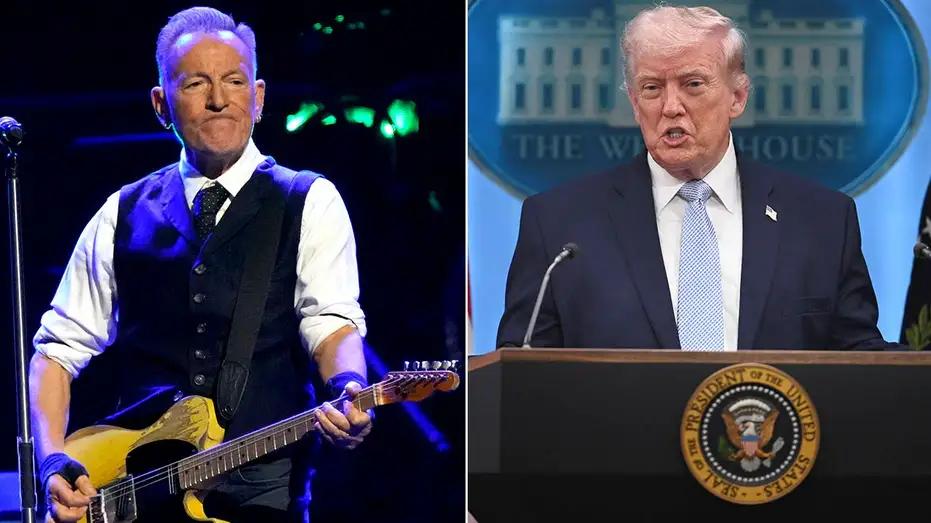
Bruce Springsteen's Former Drummer Vini "Mad Dog" Lopez Pushes Back: "You Gotta Have Respect for the President "Vini “Mad Dog” Lopez, the original drummer for Bruce Springsteen’s E Street Band and a Rock and Roll Hall of Famer, is publicly urging his former bandmate to show respect for President Donald Trump despite the rock icon’s repeated onstage attacks during his ongoing “Land of Hope and Dreams” American Tour. Since launching the tour on March 31, 2026, in Minneapolis, the 76-year-old Springsteen has used his platform to deliver blistering political speeches against the Trump administration. He has described it as “corrupt, incompetent, racist, reckless and treasonous,” referred to Trump as a “wannabe king,” and mocked the president as someone who “can’t handle the truth.” The rants, often delivered during songs like “My City of Ruins,” have drawn strong reactions from both fans and critics, with some calling the shows more of a political rally than a concert. In a recent interview with the New York Post, Lopez, now 77, pushed back firmly.“Trump is the president of the United States — everyone should have respect for him,” Lopez said from his winter home in Largo, Florida. “He is the president of the United States. And if I were standing there talking to him, I would have much respect for the man.” He added with a chuckle that he “wouldn’t talk to him about anything that’s going on” politically. Lopez emphasized basic respect for the office regardless of political differences, a stance that contrasts sharply with Springsteen’s vocal opposition. The former drummer also expressed hope that positive outcomes could emerge from Trump’s policies: “I would love to see something good come out.”
The Patriot Oasis
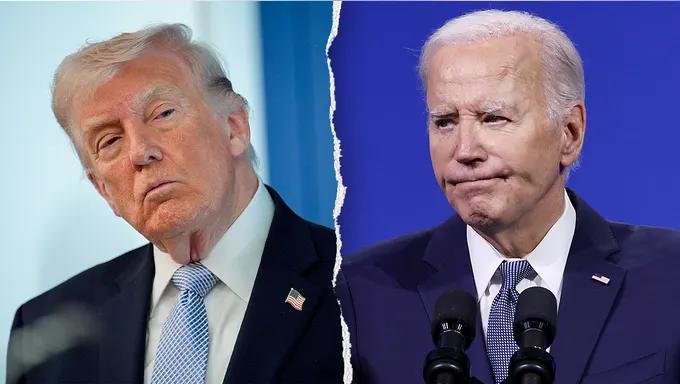
Dems Push 25th Amendment to Remove Trump Over Iran Rhetoric, But Ignored Similar Concerns During Biden's Tenure Congressional Democrats have intensified calls to invoke the 25th Amendment against President Donald Trump following his strong rhetoric and policy actions regarding Iran, including threats tied to the ongoing naval blockade of the Strait of Hormuz and collapsed peace talks. More than 50–70 House Democrats, along with a handful of senators such as Ed Markey (D-MA) and Ron Wyden (D-OR), publicly urged Trump's Cabinet and Vice President JD Vance to declare him unfit for office under Section 4 of the amendment. Some lawmakers, including Rep. Ro Khanna (D-CA) and Rep. Ilhan Omar (D-MN), labeled Trump's statements as "unhinged" or potential war crimes threats, demanding impeachment as an alternative if the Cabinet refuses to act. axios.comRep. Jamie Raskin (D-MD) and others coordinated briefings on the mechanism, while Rep. John Larson (D-CT) filed articles of impeachment linked to the Iran situation. Critics within the party framed Trump's "all or nothing" blockade enforcement and past comments about targeting Iranian infrastructure as evidence of unfitness. However, invoking the 25th Amendment faces steep constitutional hurdles: it requires Vice President Vance and a majority of the Cabinet to transmit a written declaration of presidential inability to Congress. Trump enjoys strong support from his administration and Republican majorities in both chambers of Congress, making success highly unlikely. A two-thirds vote in both the House and Senate would be needed to override any presidential veto Selective Application: Contrast with Biden Era The surge in Democratic calls highlights a notable inconsistency. During President Joe Biden's term (2021–2025), Republicans repeatedly raised alarms about Biden's visible cognitive and physical decline—evident in public gaffes, the special counsel Robert Hur report describing him as an "elderly man with poor memory," and the disastrous June 2024 debate performance. GOP lawmakers, including Sen. Eric Schmitt and Reps. Clay Higgins and Chip Roy, urged invocation of the 25th Amendment, arguing Biden was unable to discharge his duties as Commander-in-Chief. Democrats largely dismissed or rejected those calls. Then-House Speaker Nancy Pelosi did not support removing Biden via the 25th. Vice President Kamala Harris and the Cabinet took no action, despite widespread private concerns later detailed in books and reporting about an inner-circle effort to shield Biden from unscripted settings. Democrats instead pressured Biden to exit the 2024 race after the debate, leading to Harris becoming the nominee. Post-presidency revelations, including audio recordings and accounts of a "cover-up," prompted Senate hearings that most Democrats boycotted. Trump himself noted the disparity, pointing out that Democrats did not pursue the 25th against Biden despite evident issues, while now applying it aggressively to his own tough foreign policy stance. Broader Context and Political Implications The current push stems primarily from partisan opposition to Trump's "maximum pressure" approach on Iran, which includes the Strait of Hormuz blockade to cut off oil revenue following failed talks in Pakistan. Democrats argue this escalates risks unnecessarily, while supporters view it as necessary leverage against Tehran's nuclear ambitions and regional aggression. This episode underscores ongoing debates about the 25th Amendment's role. Designed for genuine incapacity (e.g., physical disability), it has increasingly been floated as a tool for policy disagreements—a use critics say undermines democratic elections. With Republicans controlling the White House, Cabinet, and Congress, these Democratic efforts remain largely symbolic signaling ahead of the 2026 midterms. As tensions with Iran evolve and oil markets react to the blockade, the partisan divide on presidential fitness remains sharp. The Patriot Oasis will continue tracking developments, including any formal responses from the Trump administration or further legislative moves. This article draws from public statements and reporting as of April 13, 2026.
The Patriot Oasis
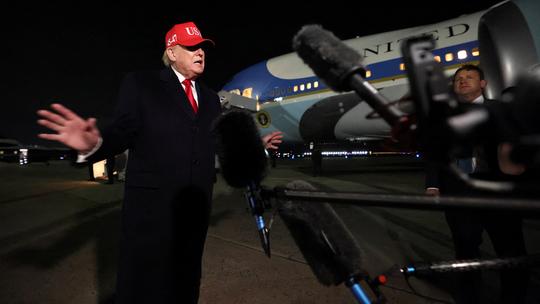
Trump Details Sweeping 'All or Nothing' Blockade of Strait of Hormuz After Failed Iran Talks President Donald Trump announced on Sunday, April 12, 2026, that the United States Navy will enforce a naval blockade targeting maritime traffic to and from Iranian ports in the Strait of Hormuz, following the collapse of the ceasefire and peace talks with Iran in Islamabad, Pakistan. In a Truth Social post and a subsequent exclusive interview with Fox News’ Maria Bartiromo on “Sunday Morning Futures,” Trump described the policy as strictly “all or nothing.” He vowed to choke off Iran’s oil revenue by preventing selective access, stating: “We’re not going to let Iran make money on selling oil to people that they like and not people that they don’t like... It’s going to be all or none, and that’s the way it is.” Trump emphasized that no exceptions would be made for allies or adversaries, adding that the Navy has been instructed to interdict vessels in international waters that have paid tolls to Iran. “No one who pays an illegal toll will have safe passage on the high seas,” he said. The blockade is set to take effect at 10:00 a.m. ET on Monday, April 13, according to U.S. Central Command (CENTCOM). Talks Collapse Over Nuclear Issue The announcement came hours after marathon negotiations in Pakistan, involving Vice President JD Vance and Iranian officials, ended without a breakthrough. Sources indicated the primary sticking point was Iran’s nuclear program, with Tehran unwilling to fully dismantle its enrichment capabilities. Iranian state media blamed “excessive demands” from the U.S. side. nbcnews.comTrump had previously pushed for reopening the Strait of Hormuz — a critical chokepoint for global oil shipments — but shifted to a blockade strategy after the impasse. He accused Iran of “world extortion” for its handling of the waterway and warned that any attacks on U.S. or peaceful vessels would be met with overwhelming force. CENTCOM clarified that the operation targets only vessels entering or exiting Iranian ports, preserving freedom of navigation for traffic to and from non-Iranian ports in the region. This represents a partial scaling back from Trump’s initial rhetoric about blockading the entire strait. Market Reaction and Global Implications Oil prices surged in response to the news, with U.S. crude jumping approximately 8% and Brent crude rising about 7%. Analysts warned that a sustained disruption in the Strait of Hormuz — through which roughly 20% of global oil trade passes — could have significant effects on energy markets and international shipping. The move has drawn mixed international reactions. While Trump indicated other nations would participate, early reports suggested limited immediate support from traditional allies. Iran has warned that any U.S. military vessels approaching could breach the existing fragile ceasefire framework. Trump’s Stance: Maximum Pressure Returns This development marks a return to a hardline “maximum pressure” approach toward Iran, similar to Trump’s first term. The president reiterated that the U.S. is prepared to “finish up” remaining issues with Iran at the “appropriate moment” if necessary. As the blockade begins, questions remain about enforcement logistics, potential for escalation, and the impact on global energy security. The Patriot Oasis will continue to monitor developments in this rapidly evolving situation, including any responses from Tehran, regional allies, and global markets. This article is based on public statements, official announcements, and multiple news reports as of April 13, 2026.
The Patriot Oasis
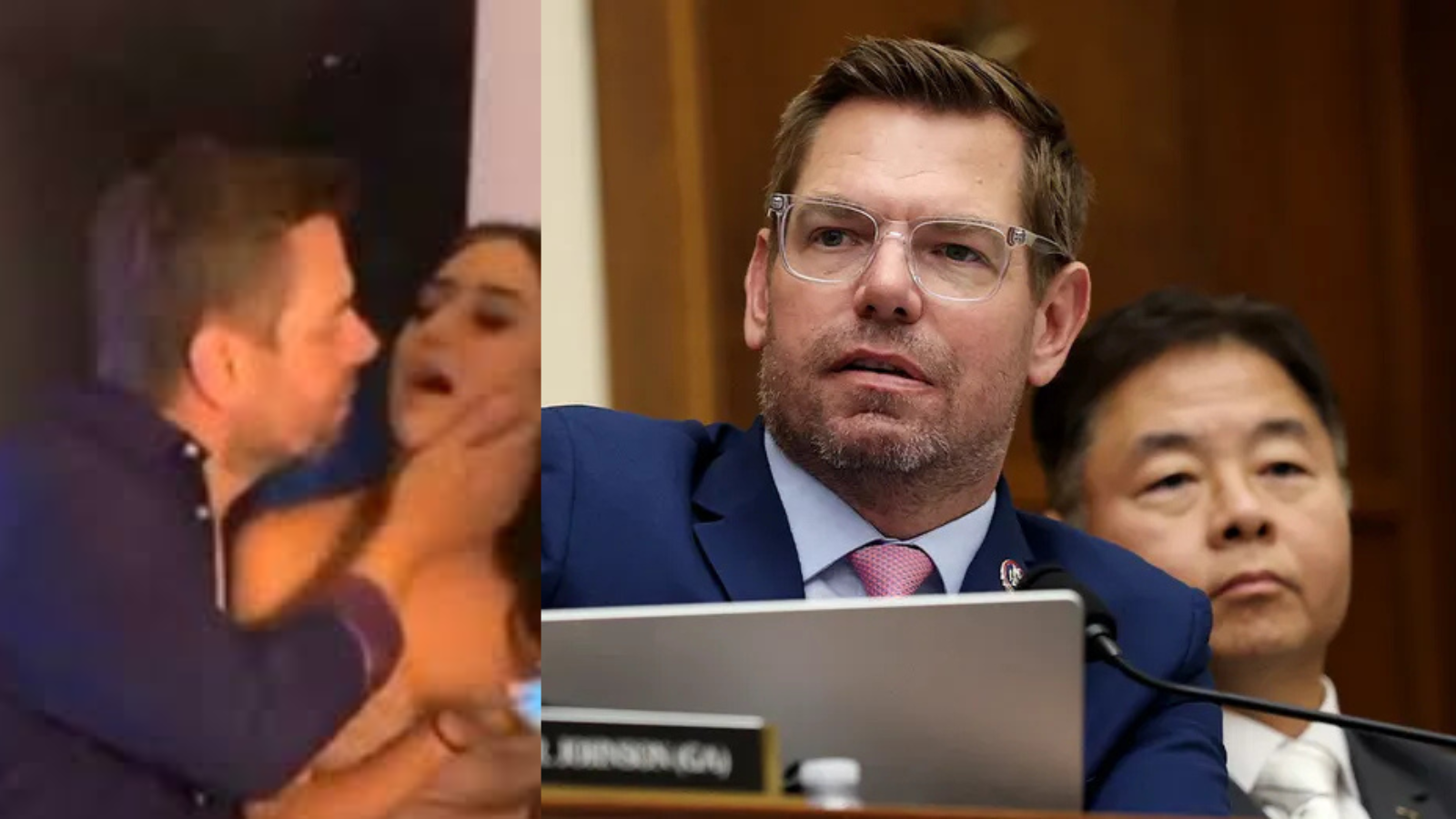
Eric Swalwell Exits California Governor Race, Apologizing for Past Judgment While Denying Serious Allegations U.S. Rep. Eric Swalwell (D-CA) announced on Sunday, April 12, 2026, that he is suspending his campaign for California governor amid mounting pressure from sexual misconduct allegations involving multiple women, including claims of sexual assault and rape. In a statement posted on X (formerly Twitter), Swalwell wrote: "I am suspending my campaign for Governor. To my family, staff, friends, and supporters, I am deeply sorry for the mistakes in judgment I’ve made in my past. I will fight the serious, false allegations that have been made — but that’s my fight, not a campaign’s." The announcement came just days after reports from the San Francisco Chronicle and CNN detailed accusations from four women. One unnamed former congressional staffer alleged that Swalwell sexually assaulted her twice—once in 2019 while she worked for him and again in 2024 at a charity gala in New York—claiming she was too intoxicated to consent in both instances. Other women reportedly accused him of sexual harassment and misconduct. Swalwell has consistently and vehemently denied all the claims, calling them "flat false" and vowing to fight them "with everything that I have." Rapid Fallout and Loss of Support The allegations surfaced on Friday, April 10, triggering an immediate and sharp backlash within the Democratic Party. Prominent supporters quickly withdrew endorsements, including Sen. Adam Schiff (D-CA), House Democratic Leader Hakeem Jeffries, former House Speaker Nancy Pelosi, and several labor unions. Even members of Swalwell’s own campaign team, such as Rep. Jimmy Gomez (D-CA), distanced themselves. A growing number of Democratic lawmakers, including Reps. Jared Huffman, Ro Khanna, Pramila Jayapal, and Teresa Leger Fernández, publicly called for Swalwell not only to drop his gubernatorial bid but also to resign from Congress. Some indicated they would support an expulsion vote if necessary. Bipartisan voices, including Reps. Anna Paulina Luna (R-FL) and Byron Donalds (R-FL), joined the chorus, with Luna filing a motion to begin expulsion proceedings. wisn.comSwalwell, a seven-term congressman from the Bay Area and one of the leading contenders to succeed term-limited Gov. Gavin Newsom, had been viewed as a frontrunner in the crowded Democratic primary field. His campaign did not immediately respond to requests for further comment.Swalwell’s Response: Apology and DenialPrior to suspending his campaign, Swalwell addressed the accusations directly in a video and social media posts. While denying the sexual assault and misconduct claims outright, he acknowledged unspecified "mistakes in judgment" in his personal life, apologizing specifically to his wife, Brittany Watts, and their family. He emphasized that those matters were private between him and his spouse. The Manhattan District Attorney’s Office confirmed it is investigating one of the alleged incidents that occurred in New York. Swalwell has not indicated plans to resign from his House seat, despite the growing calls for him to do so. Context and Implications for the Race California’s gubernatorial race has now been significantly disrupted. With Swalwell out, the field of Democratic candidates—including figures like former Rep. Katie Porter, billionaire Tom Steyer, and others—may see a reshuffling of support and polling dynamics. The primary is expected to be highly competitive in the nation’s most populous state. The swift collapse of Swalwell’s bid highlights the intense scrutiny facing public figures amid allegations of this nature, particularly in the #MeToo era. While Swalwell maintains his innocence and intends to defend himself personally, the political cost has already proven steep: lost endorsements, calls for expulsion, and the effective end of his gubernatorial ambitions for now. As investigations continue and the 2026 California governor’s race moves forward, further developments regarding Swalwell’s congressional future remain uncertain. The Patriot Oasis will continue to monitor and report on this evolving story. This article is based on public statements and multiple news reports as of April 13, 2026.
The Patriot Oasis
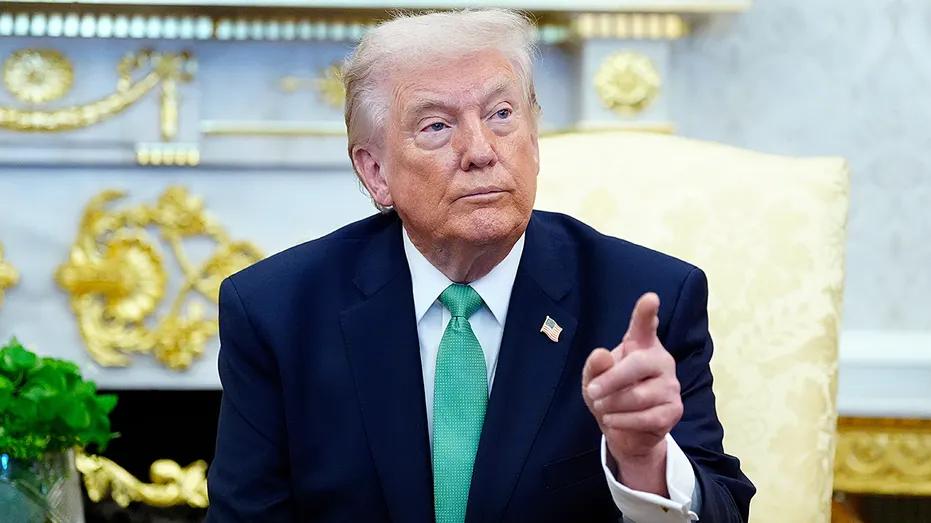
President Trump Praises Resignation of NCTC Director Joe Kent Over Iran Policy Dispute President Donald Trump described the resignation of National Counterterrorism Center Director Joe Kent as a “good thing” during a White St. Patrick’s Day meeting at the White House with Irish Prime Minister Micheál Martin. Trump commented on Kent’s departure, stating he had read the former director’s resignation statement and concluded it revealed Kent’s view that “Iran was not a threat.” Trump remarked, “I always thought he was a nice guy, but I always thought he was weak on security, very weak on security.” Kent, who served under Director of National Intelligence Tulsi Gabbard, stepped down Tuesday in protest of the ongoing U.S.-led regime-change strikes against Iran. Gabbard has long opposed “regime-change wars.”Trump emphasized that Iran posed a clear threat, saying, “Iran was a threat. Every country realized what a threat Iran was. The question is whether or not they wanted to do something about it.” He reiterated there is “no room” for Iran to pursue nuclear weapons, crediting the termination of the Obama-era Iran nuclear deal for averting what he called a potential “nuclear holocaust.” “If I didn’t terminate Obama’s horrible deal that he made, the Iran nuclear deal, you would have had a nuclear war four years ago,” Trump said. “You would have had a nuclear holocaust, and you would have had it again if we didn’t bomb the site.”The president added that his administration has no place for doubters on this issue, underscoring a firm stance against Iranian nuclear ambitions and regional aggression.
The Patriot Oasis
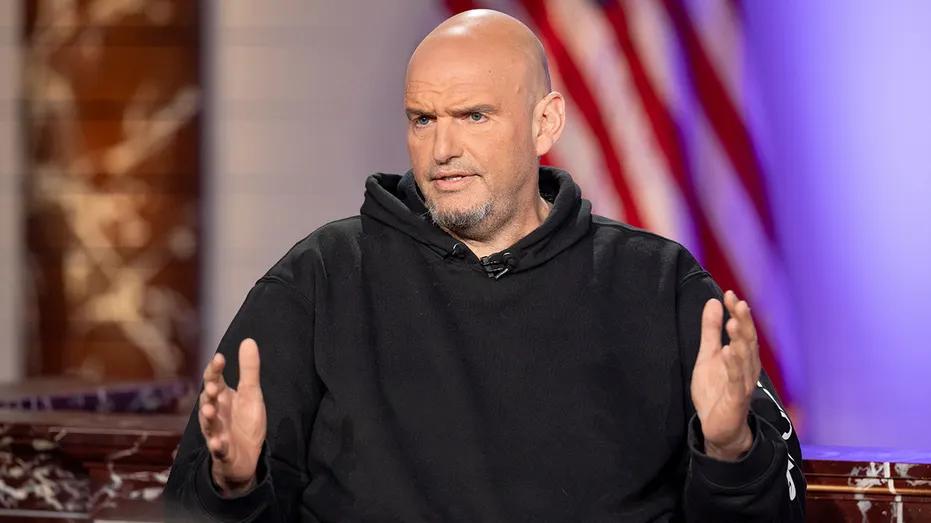
Sen. John Fetterman Says Democratic Party Has No Leader, Is 'Governed by TDS' Pennsylvania Democratic Sen. John Fetterman stated during a recent appearance on the "All-In Podcast" that the Democratic Party currently lacks a clear leader and is instead being driven by "TDS"—Trump Derangement Syndrome. When co-host David Friedberg asked, "Who do you think leads the Democratic Party today?" Fetterman replied, "We don't have one." He elaborated, "I think the TDS, that’s the leader right now. You know, right now our party is governed by the TDS."Fetterman, known for occasionally breaking with party lines, argued that this dynamic has made it "virtually impossible without being punished as a Democrat to agree something’s good, or ‘I agree with the other side.’" He cited support for aspects of Operation Epic Fury—the ongoing U.S. military campaign against Iranian threats—as an example of positions that face internal backlash due to reflexive opposition tied to former President Trump. The comments, from an interview posted Wednesday, highlight ongoing tensions within the Democratic Party amid broader political shifts and foreign policy debates. Fetterman has increasingly positioned himself as a more independent voice, often criticizing what he sees as extreme elements in his party. The full episode is available on YouTube and major podcast platforms. Reactions have been swift, with supporters praising his candor and critics questioning the term's implications for party unity. What does this say about the future of the Democrats?
The Patriot Oasis
U.S. Forces Strike Iranian Naval Targets Near Strait of Hormuz, CENTCOM Releases Video WATCH VIDEO HERE: @ThePatriotOasis U.S. Central Command (CENTCOM) has released footage demonstrating American military operations eliminating Iranian naval threats in and around the Strait of Hormuz, a critical global chokepoint for oil shipments. In the video posted by CENTCOM, U.S. forces are shown conducting precision strikes that destroy multiple Iranian naval vessels, including minelayers positioned to endanger international shipping lanes. The accompanying statement declares: "U.S. forces are destroying Iranian naval targets that threaten international shipping in and near the Strait of Hormuz." These actions are part of the broader Operation Epic Fury, an ongoing campaign aimed at neutralizing Iran's maritime capabilities amid heightened regional tensions. Reports indicate that U.S. and partner forces have already destroyed over 100 Iranian naval vessels, with specific strikes targeting mine-laying boats and other small craft attempting to disrupt transit through the strait. The Strait of Hormuz remains vital, handling roughly 20-30% of the world's seaborne oil trade. Recent Iranian threats to close or mine the waterway prompted swift U.S. responses to safeguard freedom of navigation and protect commercial shipping from potential disruptions. CENTCOM emphasized that these operations employ lethal precision to remove regime threats without broader escalation beyond military necessities. No civilian casualties or damage to oil infrastructure have been reported in connection with these naval strikes. The released video underscores U.S. commitment to maintaining open sea lanes in the face of aggression, as operations continue to degrade Iran's ability to project power in the Persian Gulf.
The Patriot Oasis
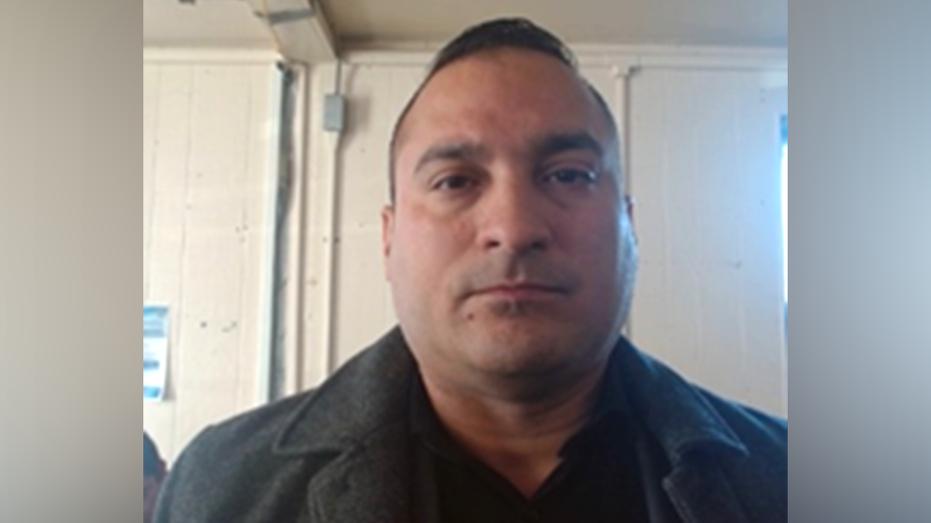
Rafael Andres Rubio Bohorquez reportedly overstayed a tourist visa, while city officials claim he had legal authorization to remain An immigration judge has ordered the deportation of a former New York City Council employee, federal officials said in January, who was an undocumented immigrant with a prior assault arrest. City Council Speaker Julie Menin announced the deportation ruling on Wednesday, condemning it as a "miscarriage of justice and wholly deplorable" and pledging to fight back by filing an appeal. Two months ago, Rafael Andres Rubio Bohorquez, 53, was detained during an immigration appointment and was identified by the Department of Homeland Security (DHS) as a Venezuelan "criminal illegal alien" who overstayed his visa. Federal officials said that despite lacking work authorization, Rubio Bohorquez was employed by the New York City Council as a data analyst for roughly one year.
The Patriot Oasis
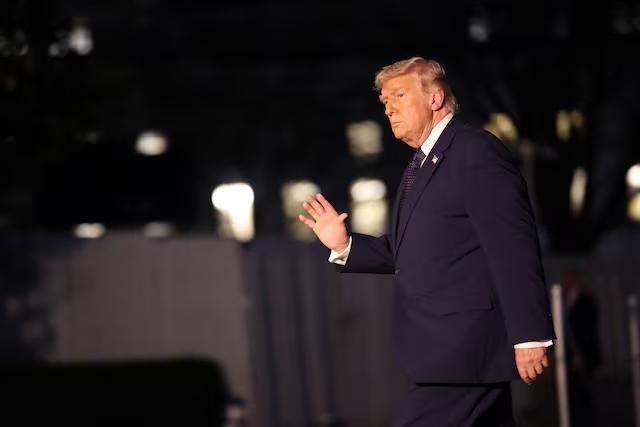
TALK ABOUT SURRENDER In a surprising shift in tone amid the intensifying Operation Epic Fury, President Donald Trump has indicated that dialogue with Iran remains a possibility, even as U.S. and allied forces continue dismantling the regime's military and nuclear capabilities. During recent remarks captured in Fox News coverage and press interactions in Florida, Trump addressed questions on the war's trajectory, Iran's new leadership under Mojtaba Khamenei, and potential paths forward. While maintaining a hardline stance — including repeated warnings of overwhelming retaliation if Iran disrupts the Strait of Hormuz or escalates further — the President left the door cracked open for talks. Trump has previously demanded "unconditional surrender" from the Iranian regime, insisting no deal would occur without it and that any new leader would require U.S. "approval" to endure. He has described the current conflict as a short-term "excursion" that is "very complete, pretty much," and "very far ahead of schedule," framing it as necessary to eliminate threats rather than a prolonged occupation. TRUMP TALKS However, when pressed on future engagement, Trump suggested flexibility: he might talk with Iran if the conditions align for a meaningful outcome. This comes against the backdrop of Iran's defiant posture — its foreign minister has declared U.S. talks "off the table" due to "bitter experience," and the IRGC vows continued resistance. Trump has emphasized that any negotiation must end Iran's nuclear ambitions, proxy terrorism, and regional aggression permanently — no repeat of past "weak" deals. The comments align with Trump's long-standing "art of the deal" approach: apply maximum pressure through military dominance, then pivot to diplomacy from a position of strength. Analysts note this echoes his first-term strategy with North Korea and Taliban talks, where tough rhetoric preceded openings for negotiation. With Iran's conventional forces decimated — navy sunk, air defenses crippled, leadership disrupted — Tehran may face increasing internal pressure to seek an off-ramp. MARKETS REBOUND Oil markets have reacted variably: prices eased after Trump's assurances of a swift end but remain elevated due to ongoing drone attacks on Gulf allies and threats to energy routes. European stocks rebounded slightly, but traders warn of "twitchy" volatility if escalation resumes. The White House has not detailed any back-channel contacts, and U.S. officials stress that Operation Epic Fury continues unabated in its efforts to neutralize threats. President Trump reiterated that America's goal is lasting security — peace through strength — and that Iran could have a "great future" post-regime change in behavior, potentially even "Make Iran Great Again" under better leadership. As the conflict approaches what Trump calls its final stages, the possibility of talks adds a new layer to an already complex battlefield. Whether Iran responds or doubles down remains to be seen.
The Patriot Oasis

IRAN ATTACKS Iran has escalated its retaliatory campaign in the ongoing war, firing waves of attack drones toward Saudi Arabia and Kuwait early Tuesday morning. The strikes come as U.S. President Donald Trump continues to send mixed signals about the duration of Operation Epic Fury, fueling market volatility and regional tension. According to reports from the Associated Press and other sources, Iranian drones targeted areas in Saudi Arabia's oil-rich eastern province, including near key energy infrastructure. The Saudi Defense Ministry confirmed that several drones were intercepted and destroyed by air defenses, with no immediate reports of casualties or major damage. In Kuwait, the National Guard stated that multiple drones were shot down over the country's northern and southern regions, preventing potential hits on civilian or military sites. These latest attacks follow a pattern of Iranian drone and missile barrages against Gulf allies hosting U.S. forces or supporting the U.S.-Israeli campaign. Previous waves have targeted facilities in the UAE, Bahrain, Qatar, and U.S. bases like Camp Arifjan and Ali Al Salem Air Base in Kuwait, as well as Prince Sultan Air Base in Saudi Arabia. While many projectiles have been neutralized, some have caused limited damage, fires, and disruptions to energy sites. SUICIDE DRONES The drone launches occurred shortly after President Trump described the conflict as a "short excursion" that is "very complete, pretty much" and likely to end "very soon." However, he quickly followed with a grave warning on social media: if Iran attempts to disrupt oil flows through the Strait of Hormuz, the U.S. would respond by hitting Iran "twenty times harder" than current operations. The contradictory messaging has contributed to sharp swings in global oil prices, which fell from Monday's near-$120 peaks but remain elevated. Iran's Islamic Revolutionary Guard Corps (IRGC) has framed these strikes as part of ongoing retaliation, vowing continued pressure on U.S. allies in the region. No claims of responsibility for specific Tuesday drone waves have been detailed yet, but the regime has previously described such actions as responses to U.S. and Israeli strikes on Iranian military, nuclear, and leadership targets. ON DEFENSE Gulf states have aggressively activated their defenses, with allied air forces—including UAE F-16s—intercepting threats in recent days. U.S. Central Command has not issued an immediate comment on the latest incidents, but coordination with partners remains high amid fears of broader escalation. As Operation Epic Fury presses forward to dismantle Iran's capabilities, these cross-border attacks underscore Tehran's attempt to spread the conflict and pressure regional supporters of the U.S. effort. Markets and energy traders remain on edge, watching for any moves that could threaten the Strait of Hormuz or global supplies.
The Patriot Oasis
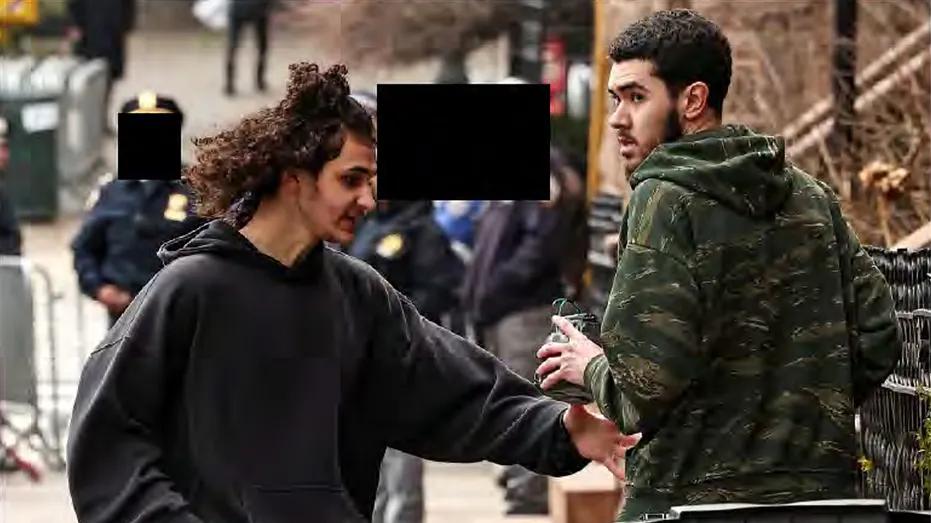
ISIS TIES Two teenagers from Bucks County, Pennsylvania — 18-year-old Emir Balat of Langhorne and 19-year-old Ibrahim Kayumi of Newtown — have been federally indicted following an attempted terrorist attack during protests outside Gracie Mansion, the official residence of New York City Mayor Zohran Mamdani. The suspects allegedly traveled from Bucks County to Manhattan on Saturday, March 7, where they ignited and hurled improvised explosive devices (IEDs) containing TATP (triacetone triperoxide) — a highly volatile homemade explosive favored by ISIS — into a crowd amid dueling demonstrations. One protest, organized by far-right activist Jake Lang, was titled “Stop the Islamic Takeover of New York City, Stop New York City Public Muslim Prayer,” while a larger counter-protest opposed the event. TERRORISM According to the federal complaint unsealed by the U.S. Attorney's Office for the Southern District of New York, Balat lit and threw Device-1 toward the gathered protesters around 12:15 p.m., then grabbed a second device from Kayumi before dropping it while fleeing. NYPD bomb technicians confirmed the devices were capable of causing serious injury or death, though they failed to fully detonate, producing smoke and flames instead. A third suspicious device was recovered from a nearby vehicle, consistent with the suspects. Both men were arrested on the scene by NYPD officers. In statements to law enforcement, they reportedly expressed allegiance to ISIS (Islamic State), with the incident investigated as self-radicalized, ISIS-inspired terrorism. Balat allegedly admitted the intent was to carry out an attack "bigger than the Boston Marathon bombing," noting the 2013 attack caused only three deaths — a chilling detail underscoring the potential lethality. Federal charges against Balat and Kayumi include: Attempted provision of material support and resources to a designated foreign terrorist organization (ISIS) Use of a weapon of mass destruction Transportation of explosive materials Interstate transportation and receipt of explosives Unlawful possession of destructive devices The pair appeared in federal court in Manhattan on Monday and are being held without bail. FBI raids were conducted at their Pennsylvania homes, and the investigation remains ongoing. ZOHRAN RESPONSE Mayor Zohran Mamdani, New York City's first Muslim mayor, was not at Gracie Mansion with his wife at the time. In a statement, he condemned the act as a "heinous act of terrorism" and praised swift law enforcement response. NYPD Commissioner Jessica Tisch described it as an "act of ISIS-inspired terrorism," stressing that violence is not protected speech or protest. This incident highlights the persistent threat of homegrown radicalization, even as U.S. forces dismantle ISIS-linked capabilities abroad under Operation Epic Fury. No ties to the ongoing Iran conflict have been identified. Justice is being pursued aggressively — zero tolerance for jihadist threats on American soil. America First security remains paramount.
The Patriot Oasis
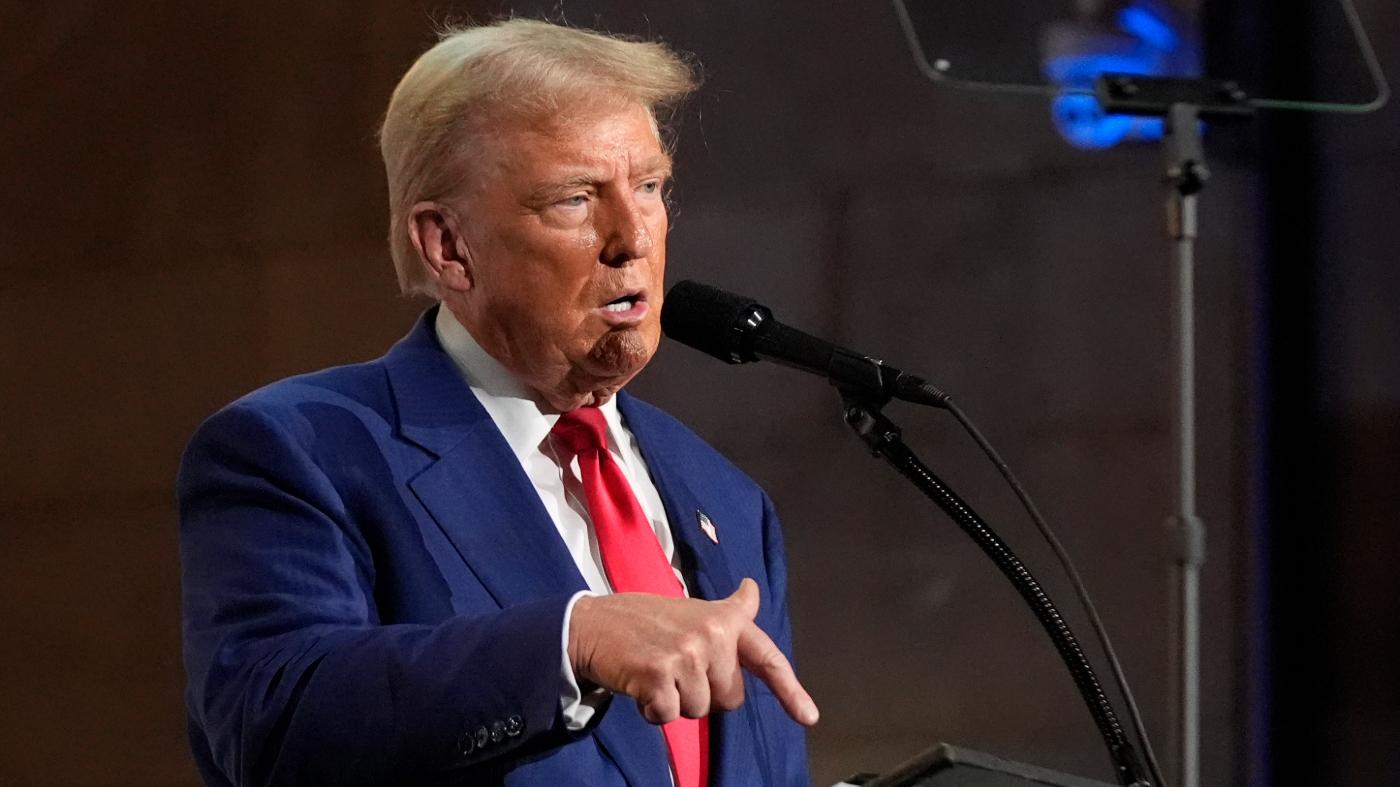
President Donald Trump has expressed strong disapproval following Iran's appointment of Mojtaba Khamenei — the 56-year-old son of the late Ayatollah Ali Khamenei — as the Islamic Republic's new Supreme Leader. The decision, announced by Iran's Assembly of Experts just days after the senior Khamenei was killed in U.S.-Israeli strikes that ignited the current conflict, has been met with sharp criticism from the White House. Trump described the selection as a "big mistake" and stated he is "not happy" with the outcome, emphasizing that the move would likely lead to "more of the same problem" for Iran. In interviews with outlets including Fox News, ABC News, and The New York Post, the President made clear his view that Mojtaba Khamenei is an "unacceptable" and "lightweight" choice who fails to meet the criteria for bringing "harmony and peace" to the region."He's going to have to get approval from us," Trump asserted in one exchange, suggesting that any new Iranian leader's tenure would depend on U.S. recognition. He went further by warning that without such approval, the new supreme leader "is not going to last long" — a pointed reference to the fate of his father, who was eliminated early in Operation Epic Fury. Trump has repeatedly indicated he believes the U.S. should play a role in Iran's leadership transition, drawing parallels to past U.S. involvement in other nations' political outcomes. The appointment of Mojtaba Khamenei, a cleric long rumored to be groomed for succession but previously kept out of the public spotlight, signals continuity for Iran's hardline regime. Backed by the Islamic Revolutionary Guard Corps (IRGC), which has pledged allegiance to the new leader, the choice appears designed to project defiance amid ongoing U.S. and allied military pressure. Mojtaba has been accused in the past of involvement in suppressing dissent and human rights abuses, further solidifying the regime's uncompromising stance. Despite the escalation in rhetoric, President Trump has maintained that the war remains on track for a swift resolution. He has reiterated that the conflict is "very complete, pretty much" and a short-term "excursion" aimed at eliminating threats like Iran's nuclear program, proxy networks, and regional aggression. However, the selection of another Khamenei has raised concerns that Tehran intends to double down rather than negotiate or capitulate. U.S. intelligence and counterterrorism officials continue to monitor for potential retaliatory actions, including the activation of sleeper cells abroad as previously reported. With oil markets stabilizing somewhat after Trump's assurances of a quick end, the focus now shifts to whether Iran's new leadership will seek de-escalation or provoke further strikes. As America First policies drive decisive action against the Iranian regime, President Trump shows no signs of backing down. The message is clear: regime change in behavior — or leadership — may be inevitable if hardliners persist in their defiance.
The Patriot Oasis
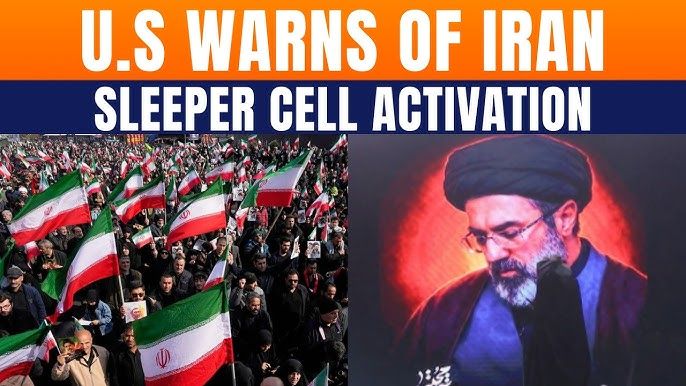
Terrorist Sleeer Cells Fresh intelligence intercepts have raised alarms that the Iranian regime may be attempting to activate sleeper cells positioned abroad, prompting heightened vigilance across U.S. law enforcement and counterterrorism agencies. President Donald Trump has responded with a direct and forceful warning, emphasizing that any activation of such threats against American interests will be met with overwhelming force. According to reports from ABC News and other outlets, U.S. intelligence intercepted an encrypted transmission believed to originate from Iran. The message, broadcast from a newly emerged station with international rebroadcast characteristics, is suspected to serve as an "operational trigger" for prepositioned sleeper assets outside the country. The alert, distributed to federal, state, and local law enforcement, highlighted the sudden appearance of the signal and its potential use to activate or instruct covert operatives for retaliatory actions. While the exact contents of the transmissions remain undetermined, experts note that the encryption and rebroadcast design are consistent with signals intended for sleeper cells or proxy operatives affiliated with Iran's Islamic Revolutionary Guard Corps (IRGC) or groups like Hezbollah. Concerns center on possible targets in Europe, the Middle East, and potentially the United States, amid the ongoing Operation Epic Fury — the U.S.-led campaign that has already degraded Iran's military, nuclear infrastructure, navy, drones, and leadership. PRESIDENT TRUMP WAYS IN In response to these developments, President Trump addressed the threat head-on during remarks in Florida. When asked about reports of sleeper cell activation inside the U.S., the President stated that authorities are "very much on top of it" and that American intelligence maintains strong insight into the situation. He reiterated his broader stance against Iranian aggression, warning that any attempt to escalate via terrorism or proxies will invite devastating consequences. Trump's comments align with his recent directives on protecting global energy security and preventing asymmetric retaliation. He has previously made clear that disruptions to critical chokepoints like the Strait of Hormuz — or any broader campaign of terror — would result in Iran being hit "twenty times harder" than current operations. Democrats are holding DHS funding HOSTAGE Counterterrorism analysts, including former FBI officials and experts from think tanks like the Soufan Center, have echoed the urgency. They warn that as Iran's conventional capabilities are systematically dismantled, the regime may increasingly rely on proxies, lone actors, or dormant cells for retaliation. Former Assistant FBI Director Chris Swecker noted that the current moment presents the highest risk for Hezbollah- or Hamas-linked cells to act violently on U.S. soil. Governors in states like Texas have responded by increasing patrols and deploying National Guard units to sensitive areas. No specific, imminent plot has been confirmed on American soil, and officials stress that while the threat environment is elevated, U.S. agencies remain proactive in monitoring and disrupting potential threats. The Department of Homeland Security and FBI continue to coordinate with allies to track IRGC-linked networks worldwide. As Operation Epic Fury progresses toward what President Trump describes as a swift and decisive conclusion, the focus remains on neutralizing Iran's ability to export terror — whether through missiles, drones, or hidden operatives. America First security measures are being reinforced to ensure no foreign regime can strike the homeland with impunity.
The Patriot Oasis
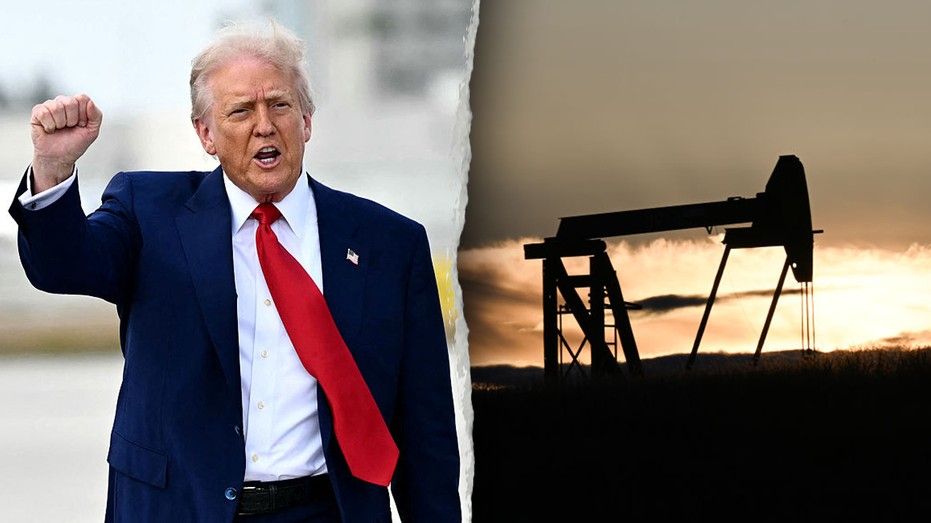
President Donald Trump defended potential short-term spikes in oil prices amid escalating tensions with Iran, arguing that economic impacts would be temporary and outweighed by long-term security gains. In a post on Truth Social late Sunday, the president dismissed concerns over surging energy costs triggered by the ongoing U.S.-Israeli conflict with Iran, now in its second week. Oil prices COULD rocket past $100 per barrel Reaching highs not seen since 2022—as disruptions in the Strait of Hormuz and attacks on regional energy infrastructure have curtailed global supply flows.“Short-term oil prices, which will drop rapidly when the destruction of the Iranian nuclear threat is over, are a very small price to pay for the U.S.A. and the world’s safety and Peace,” Trump wrote. “ONLY FOOLS WOULD THINK DIFFERENTLY!” The remarks come as West Texas Intermediate (WTI) crude futures climbed as high as $111 and Brent crude exceeded $107 in early trading Monday, reflecting trader fears of prolonged supply constraints. BIG BANKS Analysts from firms like Goldman Sachs have warned that sustained blockades could push prices even higher, potentially toward $150 per barrel if the conflict drags on. Trump's comments echo earlier statements where he downplayed gas price surges, insisting the military operation—aimed at neutralizing Iran's nuclear capabilities—takes precedence over temporary economic pain. He has repeatedly predicted a swift resolution leading to lower energy costs once the "nuclear threat" is eliminated. The post drew immediate reactions online, with supporters praising the focus on long-term peace and critics highlighting the immediate burden on American consumers facing higher gasoline prices, now averaging over $3.40 per gallon nationally, according to recent reports. This development follows the recent appointment of Mojtaba Khamenei as Iran's new Supreme Leader, a move seen as reinforcing hardline continuity amid the war. Trump has previously indicated that any new Iranian leadership would require U.S. approval to endure. As markets digest the volatility, the White House continues to bet on a short campaign, with no plans announced to tap the Strategic Petroleum Reserve despite mounting calls to ease price pressures.
The Patriot Oasis
Iran's Assembly of Experts Nears Decision on New Supreme Leader Amid Ongoing War. Cleric Acknowledges Progress but Notes Remaining Hurdles Ayatollah Mohammadmehdi Mirbaqeri, a member of Iran's Assembly of Experts—the body responsible for selecting the supreme leader—told Mehr News Agency that the panel has largely reached a majority consensus on a successor to the late Ayatollah Ali Khamenei. He did not name any candidates but confirmed that "some obstacles" persist in finalizing the process. The comments come as the U.S.-Israeli conflict with Iran enters its second week, with security concerns complicating in-person gatherings and deliberations. Other assembly members have suggested using remote or alternative arrangements to complete the selection, given the risks posed by continued airstrikes. Trump Open to Successor with Ties to Previous Regime In recent interviews, President Donald Trump indicated flexibility on Iran's next leader, suggesting he could support someone connected to the old regime if they meet certain criteria."I would, in order to choose a good leader, I would, yeah, I would. There are numerous people who could qualify," Trump said, according to ABC News reporting. Trump has repeatedly emphasized that any new supreme leader would require U.S. approval to endure long-term, warning that without it, the individual "is not going to last long." He has described the goal as ensuring lasting regional stability and preventing future conflicts. Potential Contenders in the Succession DiscussionReports from various sources highlight several figures frequently mentioned as possible successors: Mojtaba Khamenei — The 56-year-old son of the late Ayatollah Ali Khamenei, with close links to the Islamic Revolutionary Guard Corps (IRGC) and often viewed as a frontrunner for continuity. Ali Reza Arafi — A senior Shiite cleric and trusted figure in regime institutions, including leadership of seminaries and roles in the Guardian Council. Hassan Rouhani — Former president (2013–2021), known for moderate leanings and involvement in the 2015 nuclear deal. Hassan Khomeini — Grandson of Islamic Republic founder Ayatollah Ruhollah Khomeini, seen as a potential moderate voice, though less embedded in current power structures. Mohammed Mehdi Mirbagheri — A hardline cleric and head of the Islamic Cultural Center in Qom, popular among conservative factions. These names reflect the range of hardline, moderate, and dynastic options under consideration amid intense external pressure. Israel Vows to Target Any Appointed Successor Israeli Defense Minister Israel Katz issued a strong warning last week, stating that any successor attempting to "destroy Israel, threaten the United States and the free world and the countries of the region, and suppress the Iranian people" would become an "unequivocal target for elimination.""It does not matter what his name is or the place where he hides," Katz declared in a post on X, underscoring Israel's intent to disrupt regime continuity through military means. Recent Israeli strikes have focused on Iranian internal security command centers, reportedly aimed at weakening control and potentially encouraging an internal uprising. Related Developments in the Conflict Iran has postponed a planned large-scale farewell ceremony for Ayatollah Ali Khamenei in Tehran, originally scheduled to draw massive crowds. Organizers cited security concerns and the expected turnout as reasons for the delay, with no new date announced yet. The succession process unfolds against a backdrop of escalating military operations, including fresh Israeli airstrikes on regime targets, and global market volatility from energy supply disruptions. (Details compiled from reports by Reuters, AP, ABC News, and other international sources as of March 8-9, 2026.)
The Patriot Oasis
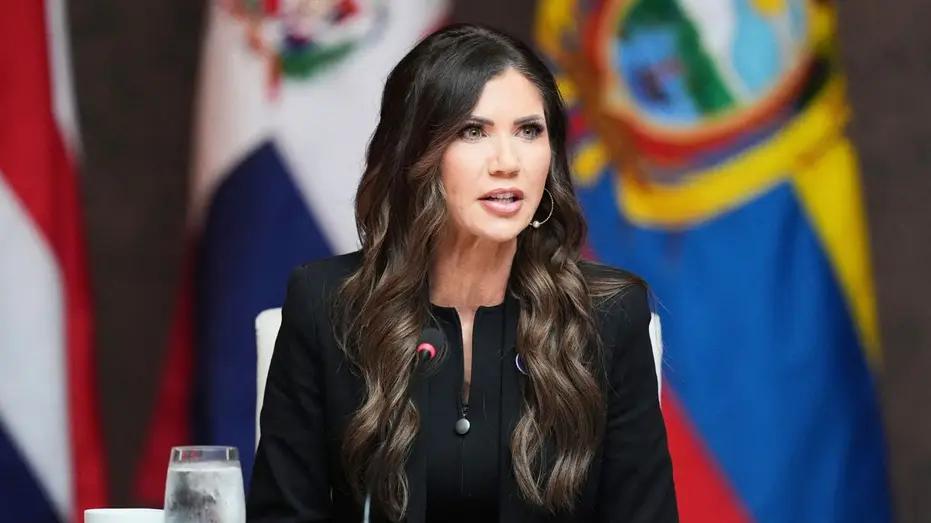
Noem Thanks Trump, Transitions to New Envoy Role at Shield of the Americas Summit Outgoing Homeland Security Secretary Kristi Noem expressed gratitude to President Donald Trump on Saturday for appointing her to a newly created position as special envoy for the Shield of the Americas, following her removal from the position of DHS secretary. Speaking at the summit held at Trump National Doral near Miami, Noem showed no resentment and highlighted her pride in the department’s accomplishments.“I do want to thank the president for creating this and for giving me the honor and the opportunity to serve as a special envoy to this region, to the Western Hemisphere,” she said. “This Shield of the Americas will be a powerful example to the rest of the world about what’s possible.”Noem framed the new role as an expansion of border security cooperation across the Western Hemisphere, emphasizing shared values of freedom, democracy, and safety. Defending Her DHS Record Noem defended her tenure at DHS, claiming significant progress on immigration enforcement.“In the last year, as secretary of Homeland Security, we have focused on securing our border,” she said. “We’ve transformed our country from one that was being invaded… We’ve secured that border. We’ve focused on removing public safety threats, and over 3 million people have been deported or removed from our country in the last year.”She argued that strengthened U.S. borders now enable greater diplomatic and economic engagement with neighboring countries to help them address their own security challenges. Trump Announces Replacement Trump announced earlier this week via Truth Social that Sen. Markwayne Mullin (R-Okla.) will take over as DHS secretary effective March 31, while Noem assumes the special envoy position. The summit drew high-level attendance, including Trump Cabinet members such as Secretary of State Marco Rubio, Secretary of War Pete Hegseth, Secretary of Commerce Howard Lutnick, and U.S. Trade Representative Jamieson Greer. Participating Western Hemisphere leaders included Argentina’s Javier Milei, El Salvador’s Nayib Bukele, Costa Rica’s Rodrigo Chaves Robles, Panama’s José Raúl Mulino, and others from Bolivia, Chile, Dominican Republic, Ecuador, Guyana, Honduras, Paraguay, and Trinidad and Tobago. Notably absent were the leaders of Mexico and Venezuela. (Details based on summit remarks and official announcements as of March 8, 2026.)
The Patriot Oasis
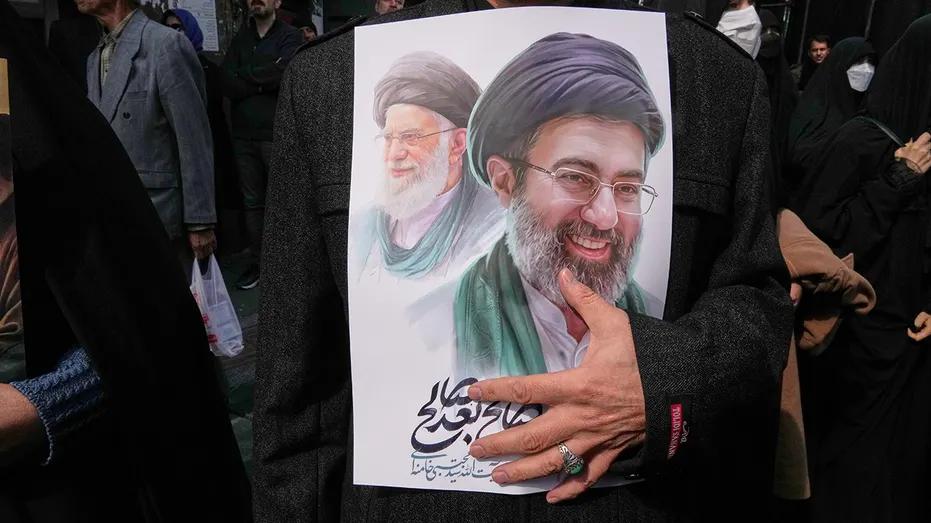
Iran’s New Supreme Leader Mojtaba Khamenei Described as “Empty Entity” Amid Regime Dysfunction Israeli national security sources have characterized Mojtaba Khamenei, the newly appointed supreme leader of Iran and son of the late Ayatollah Ali Khamenei, as little more than an “empty entity” who is not effectively leading the regime. Kobi Michael, a defense analyst at the Institute for National Security Studies and the Misgav Institute, stated that Mojtaba Khamenei “does not appear in public” and that reliable information indicates he neither controls nor leads what remains of the Iranian regime. The current leadership was described as “broken, confused and almost misfunctioning.” Mojtaba narrowly escaped death during the February 28 Israeli strike that killed his father, reportedly leaving the compound for a walk minutes before the missile impact. Leaked audio from a March 12 meeting, accessed by The Telegraph, revealed that Mazaher Hosseini, head of protocol for Khamenei’s office, informed senior leaders that Mojtaba suffered only a “minor injury to his leg” in the attack, which also claimed several other members of the Khamenei family. Since his appointment as supreme leader, Mojtaba has made no public appearances. A message attributed to him was instead read on Iranian state television, warning of continued strikes and calling on Gulf nations to close U.S. military bases. The developments come amid ongoing regional escalation following the U.S.-Israel campaign that significantly degraded Iran’s missile capabilities and targeted high-level regime figures. President Trump has vowed to respond forcefully to any further Iranian aggression, stating intentions to hit the regime “very hard” after operations reportedly destroyed nearly 90 percent of its missile arsenal.
The Patriot Oasis
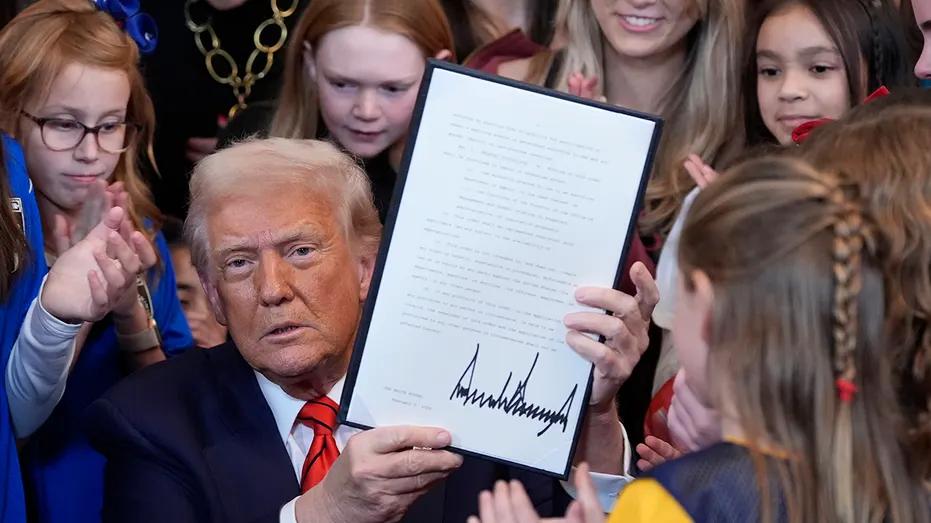
Since President Donald Trump's inauguration on January 20, 2025, more than 200 lawsuits have been filed against his administration by a broad coalition of activist organizations, legal advocacy groups, elected officials, local governments, and private individuals. These legal challenges target over 90 executive orders, along with various proclamations and memos issued in the early months of his second term, according to an analysis by Fox News Digital. Trump's History as a Frequent Legal Target Donald Trump has faced intense legal scrutiny for years, with the pressure reaching new heights during the 2024 presidential campaign. He was indicted in four separate criminal cases, including a high-profile Manhattan trial, where a jury convicted him of 34 counts of falsifying business records in the spring of 2024. Trump has consistently denied wrongdoing in all four matters, describing them as politically motivated "lawfare" orchestrated by Democratic opponents to undermine his candidacy and presidency. Post-Election Vows of Resistance from State Officials Following Trump's victory in November 2024, several Democratic state attorneys general signaled their intent to mount aggressive legal opposition to his anticipated policies. New York Attorney General Letitia James, who has previously pursued multiple civil actions against Trump and his business interests, was among the most vocal. "We faced this challenge before, and we used the rule of law to fight back," James stated after the election results were confirmed. "And we are prepared to fight back once again because, as the attorney general of this great state, it is my job to protect and defend the rights of New Yorkers and the rule of law. And I will not shrink from that responsibility." James and other attorneys general have since joined or led coalitions in numerous multistate suits challenging executive actions on issues ranging from immigration and consumer protections to federal agency operations and funding allocations. Scope and Impact of the Litigation Wave The surge in filings reflects a coordinated pushback against what critics describe as sweeping and controversial policy shifts. Trackers from outlets like Just Security, Lawfare, and the Associated Press have documented hundreds of active cases overall—some exceeding 600—many of which seek injunctions to block implementation of executive directives. While some suits have secured temporary or partial blocks from federal judges, others remain pending, with appeals ongoing in various circuits. The administration has defended its actions as within presidential authority and has appealed numerous adverse rulings. This pattern of litigation echoes challenges during Trump's first term but appears amplified in scale and speed amid the polarized political climate.
The Patriot Oasis
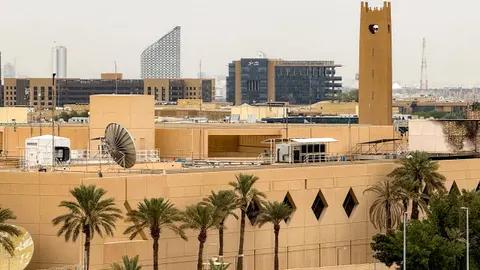
U.S. Embassy in Saudi Arabia Orders Departure of Non-Essential Personnel Amid Escalating Regional Tensions The U.S. Embassy in Saudi Arabia has implemented an ordered departure for non-essential personnel from its diplomatic missions across the Kingdom, as heightened security risks continue to grip the region amid the ongoing U.S.-Israeli conflict with Iran. Ordered Departure Implemented at Key Missions. According to an official regional source speaking to Fox News, non-essential U.S. government employees have been directed to leave the three primary U.S. missions in Saudi Arabia: the Embassy in Riyadh and the Consulates General in Jeddah and Dhahran. The Saudi government was formally notified of the requirement for these personnel to depart. Essential staff and those designated for emergency operations will remain in place to maintain critical functions. The Chargé d’Affaires holds discretion in determining which employees must leave and which can stay to ensure continuity of essential diplomatic and security activities. This move aligns with broader precautionary steps taken by the U.S. Department of State across the Middle East, where authorized or mandatory departures of non-emergency personnel and family members have been enacted in response to threats, including drone and missile attacks, as seen in recent incidents targeting U.S. facilities. Context of Heightened Security Concerns. The decision comes against the backdrop of the war now entering its second week, with Iranian retaliatory strikes—including reported drone attacks on or near U.S. diplomatic compounds in Saudi Arabia—prompting increased vigilance. Recent alerts from the U.S. Mission to Saudi Arabia have warned of imminent threats from missiles and unmanned aerial vehicles (UAVs), particularly over areas like Dhahran, a vital oil hub. The State Department has also urged American citizens in Saudi Arabia and across multiple regional countries to consider departing via commercial means where possible, or to shelter in place with supplies of food, water, medications, and other essentials. Travel advisories emphasize the limited U.S. government’s ability to provide emergency assistance due to the volatile environment. Broader Regional Drawdown and Implications This Saudi-specific order follows similar actions in neighboring countries, including mandatory departures from missions in Bahrain, Iraq, Jordan, Kuwait, Qatar, and the UAE, as well as closures or reduced operations at several embassies. The measures reflect Washington's efforts to protect personnel while sustaining core operations during a period of intense hostilities. No immediate impact on overall U.S.-Saudi bilateral relations has been reported, but the drawdown underscores the precarious security landscape as the conflict expands, with commercial flights disrupted, airspace restricted, and energy infrastructure under threat continuing to affect the region. The U.S. Embassy in Riyadh and consulates in Jeddah and Dhahran have suspended routine consular services, with updates to be provided when operations normalize.
The Patriot Oasis
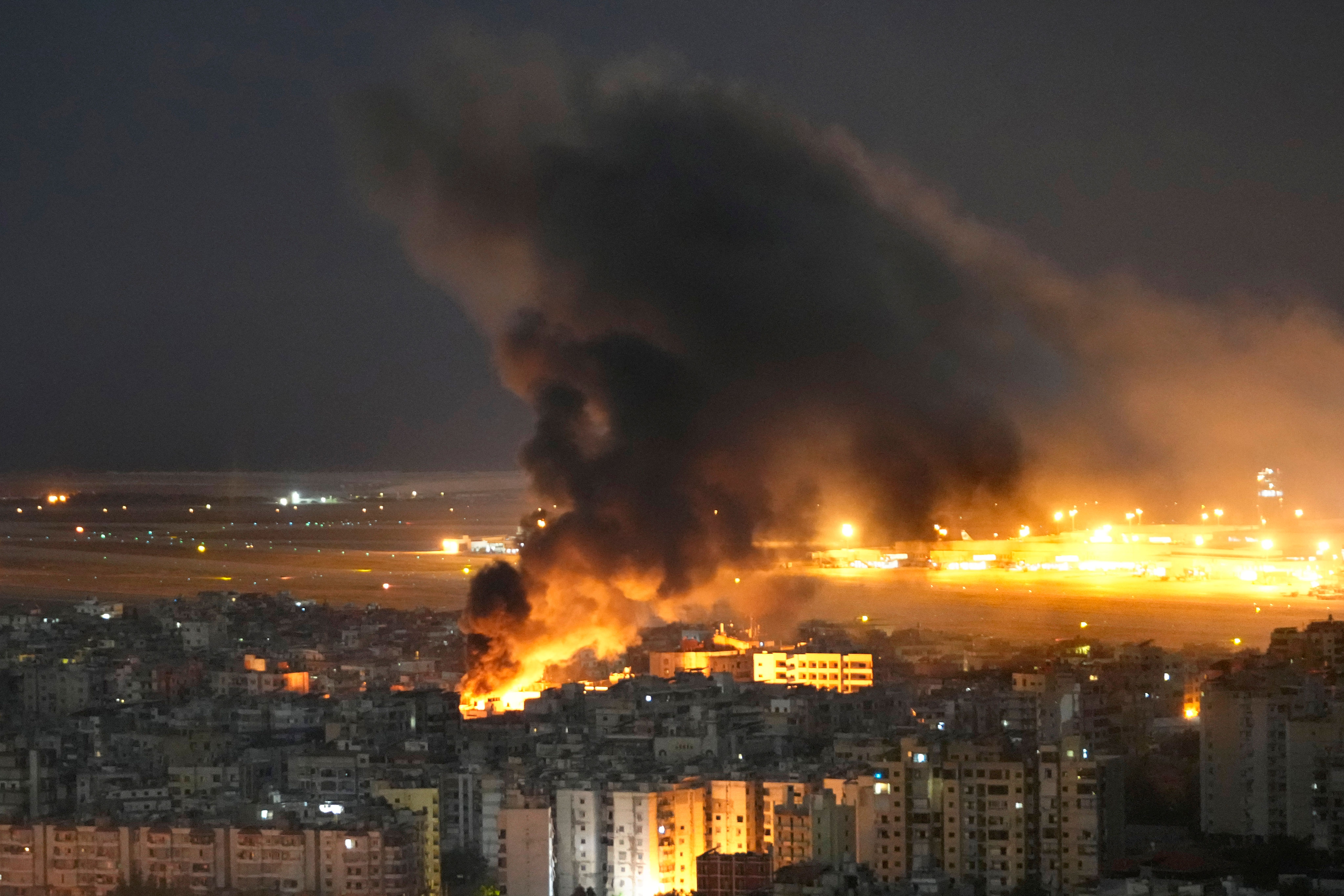
Israel has launched a fresh wave of intense airstrikes across Iran, targeting military infrastructure, oil facilities, and regime command centers, while issuing a stark warning that it will pursue and eliminate any successor to the slain Supreme Leader Ayatollah Ali Khamenei. Intensified Airstrikes Target Key Iranian Assets The Israel Defense Forces (IDF) announced early Sunday that it had initiated a new, broad-scale series of strikes deep inside Iranian territory, including in the capital Tehran. Targets reportedly included IRGC air force headquarters, ballistic missile sites, fuel depots, and other critical regime infrastructure. Explosions were reported across Tehran, with thick smoke rising over parts of the city as fires engulfed oil storage facilities. These operations mark a significant escalation in the U.S.-Israeli campaign against Iran, now in its second week following the initial joint strikes on February 28 that killed Ayatollah Ali Khamenei and dozens of top military and political figures. The latest wave comes amid Iran's efforts to stabilize its leadership amid the chaos. Israel Issues Direct Threat to Khamenei's Successor In a pointed message posted in Farsi on social media, the IDF warned that it "will not hesitate to target" anyone involved in appointing or assuming the role of supreme leader. "The long arm of the State of Israel will continue to pursue every successor and every person who seeks to appoint a successor," the statement declared, framing the leadership transition itself as a legitimate military objective. The threat was reiterated by Israeli officials, who described the move as part of a strategy to prevent the consolidation of hardline power and further degrade Iran's ability to direct regional proxy forces. Israeli Defense Minister Israel Katz has previously stated that any named successor would become an "unequivocal target for elimination." Iran Announces Mojtaba Khamenei as New Supreme Leader Despite the warnings and ongoing bombardment, Iran's Assembly of Experts—convened amid the crisis—named Mojtaba Khamenei, the 56-year-old son of the late ayatollah, as the new supreme leader. The appointment was confirmed early Monday through state media and senior clerics, emphasizing continuity and hardline control during the war. Mojtaba Khamenei, long viewed as a shadowy but influential figure with deep ties to the Islamic Revolutionary Guard Corps (IRGC), now assumes the roles of Iran's highest religious authority, political leader, and commander-in-chief of the armed forces. The selection has been seen as a bid to maintain regime stability, though it directly defies Israeli and U.S. pronouncements. U.S. President Donald Trump has called Mojtaba Khamenei an "unacceptable" choice, while reiterating that the campaign aims to eliminate Iran's nuclear threat permanently. Regional and Economic Fallout Continues to Mount The strikes have further disrupted Iran's energy sector, contributing to global oil prices surging past $100 per barrel amid fears of prolonged supply disruptions through the Strait of Hormuz. Iranian officials have vowed intensified retaliation, including potential attacks on regional energy infrastructure, signaling the conflict's entry into a "new phase."Meanwhile, U.S. forces continue supporting operations, with reports of additional strikes on Iranian-linked targets in Lebanon and elsewhere. Civilian casualties and infrastructure damage in Iran remain difficult to verify independently due to restricted access and ongoing hostilities. The developments underscore the high stakes as both sides dig in, with no immediate signs of de-escalation on the horizon.
The Patriot Oasis