President Trump
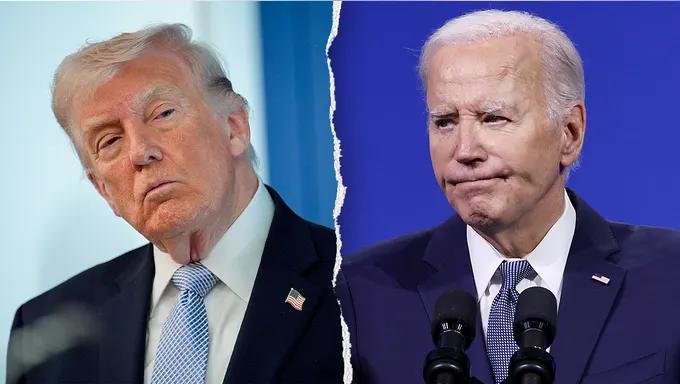
Democrats Push 25th Amendment to Remove Trump Over Iran Rhetoric, But Ignored Similar Concerns During Biden's Tenure
Dems Push 25th Amendment to Remove Trump Over Iran Rhetoric, But Ignored Similar Concerns During Biden's Tenure Congressional Democrats have intensified calls to invoke the 25th Amendment against President Donald Trump following his strong rhetoric and policy actions regarding Iran, including threats tied to the ongoing naval blockade of the Strait of Hormuz and collapsed peace talks. More than 50–70 House Democrats, along with a handful of senators such as Ed Markey (D-MA) and Ron Wyden (D-OR), publicly urged Trump's Cabinet and Vice President JD Vance to declare him unfit for office under Section 4 of the amendment. Some lawmakers, including Rep. Ro Khanna (D-CA) and Rep. Ilhan Omar (D-MN), labeled Trump's statements as "unhinged" or potential war crimes threats, demanding impeachment as an alternative if the Cabinet refuses to act. axios.comRep. Jamie Raskin (D-MD) and others coordinated briefings on the mechanism, while Rep. John Larson (D-CT) filed articles of impeachment linked to the Iran situation. Critics within the party framed Trump's "all or nothing" blockade enforcement and past comments about targeting Iranian infrastructure as evidence of unfitness. However, invoking the 25th Amendment faces steep constitutional hurdles: it requires Vice President Vance and a majority of the Cabinet to transmit a written declaration of presidential inability to Congress. Trump enjoys strong support from his administration and Republican majorities in both chambers of Congress, making success highly unlikely. A two-thirds vote in both the House and Senate would be needed to override any presidential veto Selective Application: Contrast with Biden Era The surge in Democratic calls highlights a notable inconsistency. During President Joe Biden's term (2021–2025), Republicans repeatedly raised alarms about Biden's visible cognitive and physical decline—evident in public gaffes, the special counsel Robert Hur report describing him as an "elderly man with poor memory," and the disastrous June 2024 debate performance. GOP lawmakers, including Sen. Eric Schmitt and Reps. Clay Higgins and Chip Roy, urged invocation of the 25th Amendment, arguing Biden was unable to discharge his duties as Commander-in-Chief. Democrats largely dismissed or rejected those calls. Then-House Speaker Nancy Pelosi did not support removing Biden via the 25th. Vice President Kamala Harris and the Cabinet took no action, despite widespread private concerns later detailed in books and reporting about an inner-circle effort to shield Biden from unscripted settings. Democrats instead pressured Biden to exit the 2024 race after the debate, leading to Harris becoming the nominee. Post-presidency revelations, including audio recordings and accounts of a "cover-up," prompted Senate hearings that most Democrats boycotted. Trump himself noted the disparity, pointing out that Democrats did not pursue the 25th against Biden despite evident issues, while now applying it aggressively to his own tough foreign policy stance. Broader Context and Political Implications The current push stems primarily from partisan opposition to Trump's "maximum pressure" approach on Iran, which includes the Strait of Hormuz blockade to cut off oil revenue following failed talks in Pakistan. Democrats argue this escalates risks unnecessarily, while supporters view it as necessary leverage against Tehran's nuclear ambitions and regional aggression. This episode underscores ongoing debates about the 25th Amendment's role. Designed for genuine incapacity (e.g., physical disability), it has increasingly been floated as a tool for policy disagreements—a use critics say undermines democratic elections. With Republicans controlling the White House, Cabinet, and Congress, these Democratic efforts remain largely symbolic signaling ahead of the 2026 midterms. As tensions with Iran evolve and oil markets react to the blockade, the partisan divide on presidential fitness remains sharp. The Patriot Oasis will continue tracking developments, including any formal responses from the Trump administration or further legislative moves. This article draws from public statements and reporting as of April 13, 2026.
The Patriot Oasis
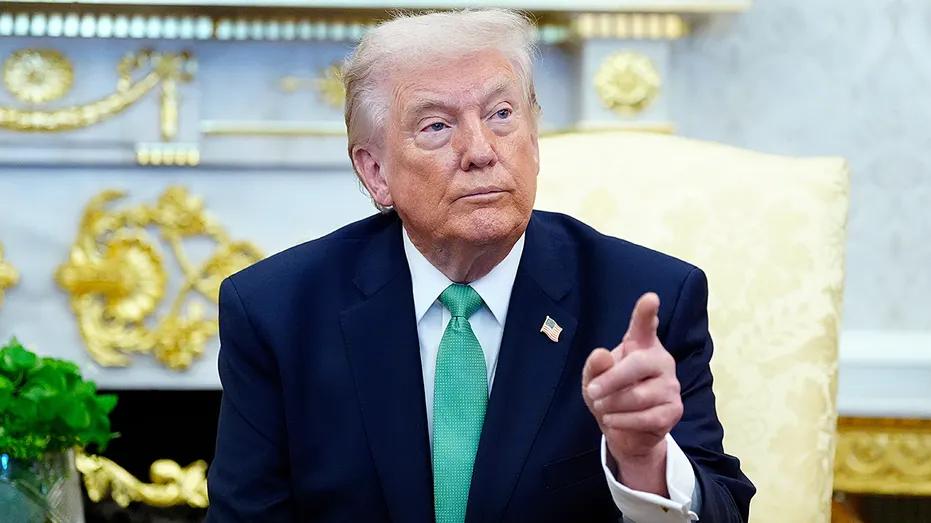
Joe Kent resigning is a "good thing" President Trump says
President Trump Praises Resignation of NCTC Director Joe Kent Over Iran Policy Dispute President Donald Trump described the resignation of National Counterterrorism Center Director Joe Kent as a “good thing” during a White St. Patrick’s Day meeting at the White House with Irish Prime Minister Micheál Martin. Trump commented on Kent’s departure, stating he had read the former director’s resignation statement and concluded it revealed Kent’s view that “Iran was not a threat.” Trump remarked, “I always thought he was a nice guy, but I always thought he was weak on security, very weak on security.” Kent, who served under Director of National Intelligence Tulsi Gabbard, stepped down Tuesday in protest of the ongoing U.S.-led regime-change strikes against Iran. Gabbard has long opposed “regime-change wars.”Trump emphasized that Iran posed a clear threat, saying, “Iran was a threat. Every country realized what a threat Iran was. The question is whether or not they wanted to do something about it.” He reiterated there is “no room” for Iran to pursue nuclear weapons, crediting the termination of the Obama-era Iran nuclear deal for averting what he called a potential “nuclear holocaust.” “If I didn’t terminate Obama’s horrible deal that he made, the Iran nuclear deal, you would have had a nuclear war four years ago,” Trump said. “You would have had a nuclear holocaust, and you would have had it again if we didn’t bomb the site.”The president added that his administration has no place for doubters on this issue, underscoring a firm stance against Iranian nuclear ambitions and regional aggression.
The Patriot Oasis
Trump tells Fox News it's possible he would talk with Iran
TALK ABOUT SURRENDER In a surprising shift in tone amid the intensifying Operation Epic Fury, President Donald Trump has indicated that dialogue with Iran remains a possibility, even as U.S. and allied forces continue dismantling the regime's military and nuclear capabilities. During recent remarks captured in Fox News coverage and press interactions in Florida, Trump addressed questions on the war's trajectory, Iran's new leadership under Mojtaba Khamenei, and potential paths forward. While maintaining a hardline stance — including repeated warnings of overwhelming retaliation if Iran disrupts the Strait of Hormuz or escalates further — the President left the door cracked open for talks. Trump has previously demanded "unconditional surrender" from the Iranian regime, insisting no deal would occur without it and that any new leader would require U.S. "approval" to endure. He has described the current conflict as a short-term "excursion" that is "very complete, pretty much," and "very far ahead of schedule," framing it as necessary to eliminate threats rather than a prolonged occupation. TRUMP TALKS However, when pressed on future engagement, Trump suggested flexibility: he might talk with Iran if the conditions align for a meaningful outcome. This comes against the backdrop of Iran's defiant posture — its foreign minister has declared U.S. talks "off the table" due to "bitter experience," and the IRGC vows continued resistance. Trump has emphasized that any negotiation must end Iran's nuclear ambitions, proxy terrorism, and regional aggression permanently — no repeat of past "weak" deals. The comments align with Trump's long-standing "art of the deal" approach: apply maximum pressure through military dominance, then pivot to diplomacy from a position of strength. Analysts note this echoes his first-term strategy with North Korea and Taliban talks, where tough rhetoric preceded openings for negotiation. With Iran's conventional forces decimated — navy sunk, air defenses crippled, leadership disrupted — Tehran may face increasing internal pressure to seek an off-ramp. MARKETS REBOUND Oil markets have reacted variably: prices eased after Trump's assurances of a swift end but remain elevated due to ongoing drone attacks on Gulf allies and threats to energy routes. European stocks rebounded slightly, but traders warn of "twitchy" volatility if escalation resumes. The White House has not detailed any back-channel contacts, and U.S. officials stress that Operation Epic Fury continues unabated in its efforts to neutralize threats. President Trump reiterated that America's goal is lasting security — peace through strength — and that Iran could have a "great future" post-regime change in behavior, potentially even "Make Iran Great Again" under better leadership. As the conflict approaches what Trump calls its final stages, the possibility of talks adds a new layer to an already complex battlefield. Whether Iran responds or doubles down remains to be seen.
The Patriot Oasis
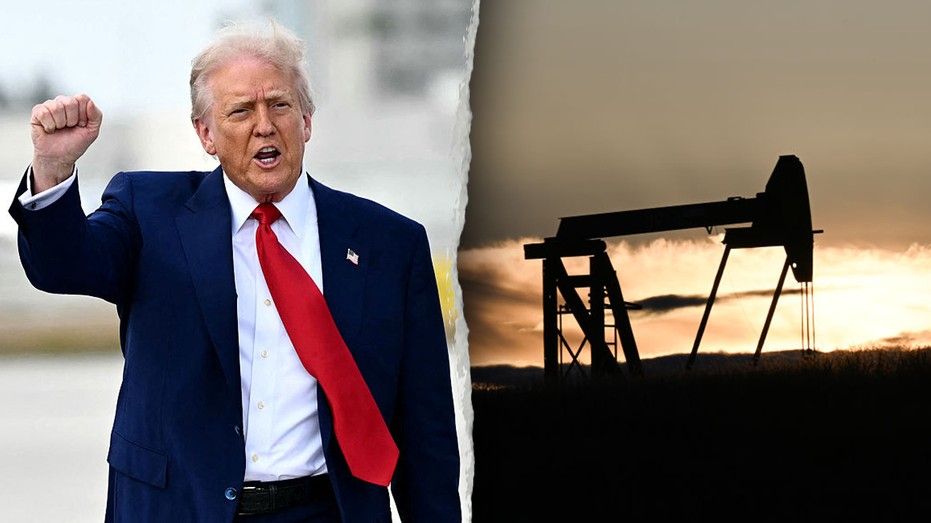
Trump says short-term oil spike worth it to end Iran nuclear threat
President Donald Trump defended potential short-term spikes in oil prices amid escalating tensions with Iran, arguing that economic impacts would be temporary and outweighed by long-term security gains. In a post on Truth Social late Sunday, the president dismissed concerns over surging energy costs triggered by the ongoing U.S.-Israeli conflict with Iran, now in its second week. Oil prices COULD rocket past $100 per barrel Reaching highs not seen since 2022—as disruptions in the Strait of Hormuz and attacks on regional energy infrastructure have curtailed global supply flows.“Short-term oil prices, which will drop rapidly when the destruction of the Iranian nuclear threat is over, are a very small price to pay for the U.S.A. and the world’s safety and Peace,” Trump wrote. “ONLY FOOLS WOULD THINK DIFFERENTLY!” The remarks come as West Texas Intermediate (WTI) crude futures climbed as high as $111 and Brent crude exceeded $107 in early trading Monday, reflecting trader fears of prolonged supply constraints. BIG BANKS Analysts from firms like Goldman Sachs have warned that sustained blockades could push prices even higher, potentially toward $150 per barrel if the conflict drags on. Trump's comments echo earlier statements where he downplayed gas price surges, insisting the military operation—aimed at neutralizing Iran's nuclear capabilities—takes precedence over temporary economic pain. He has repeatedly predicted a swift resolution leading to lower energy costs once the "nuclear threat" is eliminated. The post drew immediate reactions online, with supporters praising the focus on long-term peace and critics highlighting the immediate burden on American consumers facing higher gasoline prices, now averaging over $3.40 per gallon nationally, according to recent reports. This development follows the recent appointment of Mojtaba Khamenei as Iran's new Supreme Leader, a move seen as reinforcing hardline continuity amid the war. Trump has previously indicated that any new Iranian leadership would require U.S. approval to endure. As markets digest the volatility, the White House continues to bet on a short campaign, with no plans announced to tap the Strategic Petroleum Reserve despite mounting calls to ease price pressures.
The Patriot Oasis
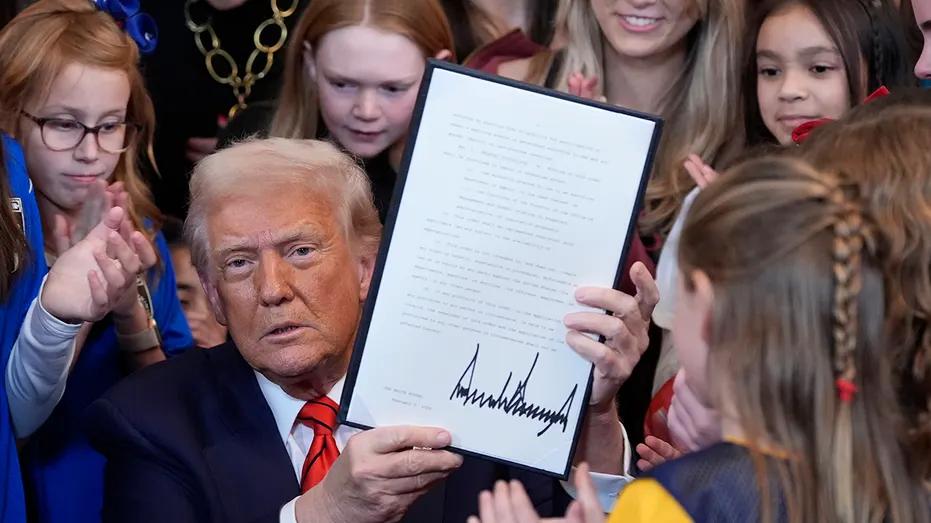
Trump's second battling onslaught of lawsuits taking aim at EOs
Since President Donald Trump's inauguration on January 20, 2025, more than 200 lawsuits have been filed against his administration by a broad coalition of activist organizations, legal advocacy groups, elected officials, local governments, and private individuals. These legal challenges target over 90 executive orders, along with various proclamations and memos issued in the early months of his second term, according to an analysis by Fox News Digital. Trump's History as a Frequent Legal Target Donald Trump has faced intense legal scrutiny for years, with the pressure reaching new heights during the 2024 presidential campaign. He was indicted in four separate criminal cases, including a high-profile Manhattan trial, where a jury convicted him of 34 counts of falsifying business records in the spring of 2024. Trump has consistently denied wrongdoing in all four matters, describing them as politically motivated "lawfare" orchestrated by Democratic opponents to undermine his candidacy and presidency. Post-Election Vows of Resistance from State Officials Following Trump's victory in November 2024, several Democratic state attorneys general signaled their intent to mount aggressive legal opposition to his anticipated policies. New York Attorney General Letitia James, who has previously pursued multiple civil actions against Trump and his business interests, was among the most vocal. "We faced this challenge before, and we used the rule of law to fight back," James stated after the election results were confirmed. "And we are prepared to fight back once again because, as the attorney general of this great state, it is my job to protect and defend the rights of New Yorkers and the rule of law. And I will not shrink from that responsibility." James and other attorneys general have since joined or led coalitions in numerous multistate suits challenging executive actions on issues ranging from immigration and consumer protections to federal agency operations and funding allocations. Scope and Impact of the Litigation Wave The surge in filings reflects a coordinated pushback against what critics describe as sweeping and controversial policy shifts. Trackers from outlets like Just Security, Lawfare, and the Associated Press have documented hundreds of active cases overall—some exceeding 600—many of which seek injunctions to block implementation of executive directives. While some suits have secured temporary or partial blocks from federal judges, others remain pending, with appeals ongoing in various circuits. The administration has defended its actions as within presidential authority and has appealed numerous adverse rulings. This pattern of litigation echoes challenges during Trump's first term but appears amplified in scale and speed amid the polarized political climate.
The Patriot Oasis