Trump 'not happy' with Iran's choice of Mojtaba Khamenei as Supreme Leader
The Patriot Oasis
The Patriot Oasis
President Donald Trump has expressed strong disapproval following Iran's appointment of Mojtaba Khamenei — the 56-year-old son of the late Ayatollah Ali Khamenei — as the Islamic Republic's new Supreme Leader. The decision, announced by Iran's Assembly of Experts just days after the senior Khamenei was killed in U.S.-Israeli strikes that ignited the current conflict, has been met with sharp criticism from the White House.
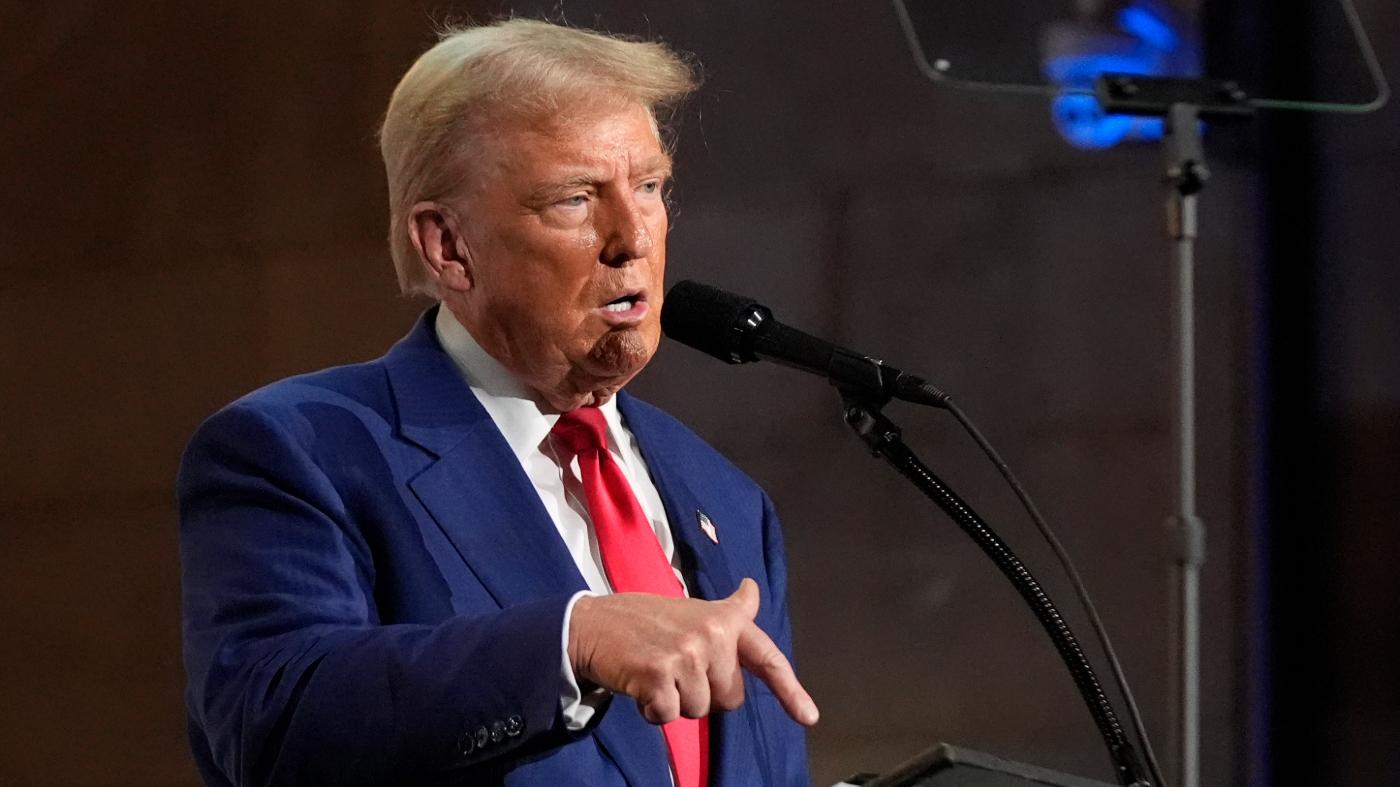
Trump described the selection as a "big mistake" and stated he is "not happy" with the outcome, emphasizing that the move would likely lead to "more of the same problem" for Iran. In interviews with outlets including Fox News, ABC News, and The New York Post, the President made clear his view that Mojtaba Khamenei is an "unacceptable" and "lightweight" choice who fails to meet the criteria for bringing "harmony and peace" to the region."He's going to have to get approval from us," Trump asserted in one exchange, suggesting that any new Iranian leader's tenure would depend on U.S. recognition. He went further by warning that without such approval, the new supreme leader "is not going to last long" — a pointed reference to the fate of his father, who was eliminated early in Operation Epic Fury. Trump has repeatedly indicated he believes the U.S. should play a role in Iran's leadership transition, drawing parallels to past U.S. involvement in other nations' political outcomes.
The appointment of Mojtaba Khamenei, a cleric long rumored to be groomed for succession but previously kept out of the public spotlight, signals continuity for Iran's hardline regime. Backed by the Islamic Revolutionary Guard Corps (IRGC), which has pledged allegiance to the new leader, the choice appears designed to project defiance amid ongoing U.S. and allied military pressure. Mojtaba has been accused in the past of involvement in suppressing dissent and human rights abuses, further solidifying the regime's uncompromising stance.
Despite the escalation in rhetoric, President Trump has maintained that the war remains on track for a swift resolution. He has reiterated that the conflict is "very complete, pretty much" and a short-term "excursion" aimed at eliminating threats like Iran's nuclear program, proxy networks, and regional aggression. However, the selection of another Khamenei has raised concerns that Tehran intends to double down rather than negotiate or capitulate.
U.S. intelligence and counterterrorism officials continue to monitor for potential retaliatory actions, including the activation of sleeper cells abroad as previously reported. With oil markets stabilizing somewhat after Trump's assurances of a quick end, the focus now shifts to whether Iran's new leadership will seek de-escalation or provoke further strikes.
As America First policies drive decisive action against the Iranian regime, President Trump shows no signs of backing down. The message is clear: regime change in behavior — or leadership — may be inevitable if hardliners persist in their defiance.