Operation Epic Fury
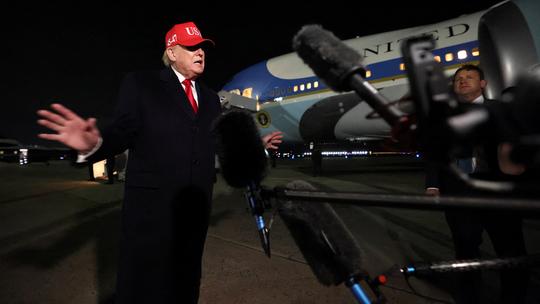
Trump orders Blockade of Strait of Hormuz After Failed Iran Talks
Trump Details Sweeping 'All or Nothing' Blockade of Strait of Hormuz After Failed Iran Talks President Donald Trump announced on Sunday, April 12, 2026, that the United States Navy will enforce a naval blockade targeting maritime traffic to and from Iranian ports in the Strait of Hormuz, following the collapse of the ceasefire and peace talks with Iran in Islamabad, Pakistan. In a Truth Social post and a subsequent exclusive interview with Fox News’ Maria Bartiromo on “Sunday Morning Futures,” Trump described the policy as strictly “all or nothing.” He vowed to choke off Iran’s oil revenue by preventing selective access, stating: “We’re not going to let Iran make money on selling oil to people that they like and not people that they don’t like... It’s going to be all or none, and that’s the way it is.” Trump emphasized that no exceptions would be made for allies or adversaries, adding that the Navy has been instructed to interdict vessels in international waters that have paid tolls to Iran. “No one who pays an illegal toll will have safe passage on the high seas,” he said. The blockade is set to take effect at 10:00 a.m. ET on Monday, April 13, according to U.S. Central Command (CENTCOM). Talks Collapse Over Nuclear Issue The announcement came hours after marathon negotiations in Pakistan, involving Vice President JD Vance and Iranian officials, ended without a breakthrough. Sources indicated the primary sticking point was Iran’s nuclear program, with Tehran unwilling to fully dismantle its enrichment capabilities. Iranian state media blamed “excessive demands” from the U.S. side. nbcnews.comTrump had previously pushed for reopening the Strait of Hormuz — a critical chokepoint for global oil shipments — but shifted to a blockade strategy after the impasse. He accused Iran of “world extortion” for its handling of the waterway and warned that any attacks on U.S. or peaceful vessels would be met with overwhelming force. CENTCOM clarified that the operation targets only vessels entering or exiting Iranian ports, preserving freedom of navigation for traffic to and from non-Iranian ports in the region. This represents a partial scaling back from Trump’s initial rhetoric about blockading the entire strait. Market Reaction and Global Implications Oil prices surged in response to the news, with U.S. crude jumping approximately 8% and Brent crude rising about 7%. Analysts warned that a sustained disruption in the Strait of Hormuz — through which roughly 20% of global oil trade passes — could have significant effects on energy markets and international shipping. The move has drawn mixed international reactions. While Trump indicated other nations would participate, early reports suggested limited immediate support from traditional allies. Iran has warned that any U.S. military vessels approaching could breach the existing fragile ceasefire framework. Trump’s Stance: Maximum Pressure Returns This development marks a return to a hardline “maximum pressure” approach toward Iran, similar to Trump’s first term. The president reiterated that the U.S. is prepared to “finish up” remaining issues with Iran at the “appropriate moment” if necessary. As the blockade begins, questions remain about enforcement logistics, potential for escalation, and the impact on global energy security. The Patriot Oasis will continue to monitor developments in this rapidly evolving situation, including any responses from Tehran, regional allies, and global markets. This article is based on public statements, official announcements, and multiple news reports as of April 13, 2026.
The Patriot Oasis
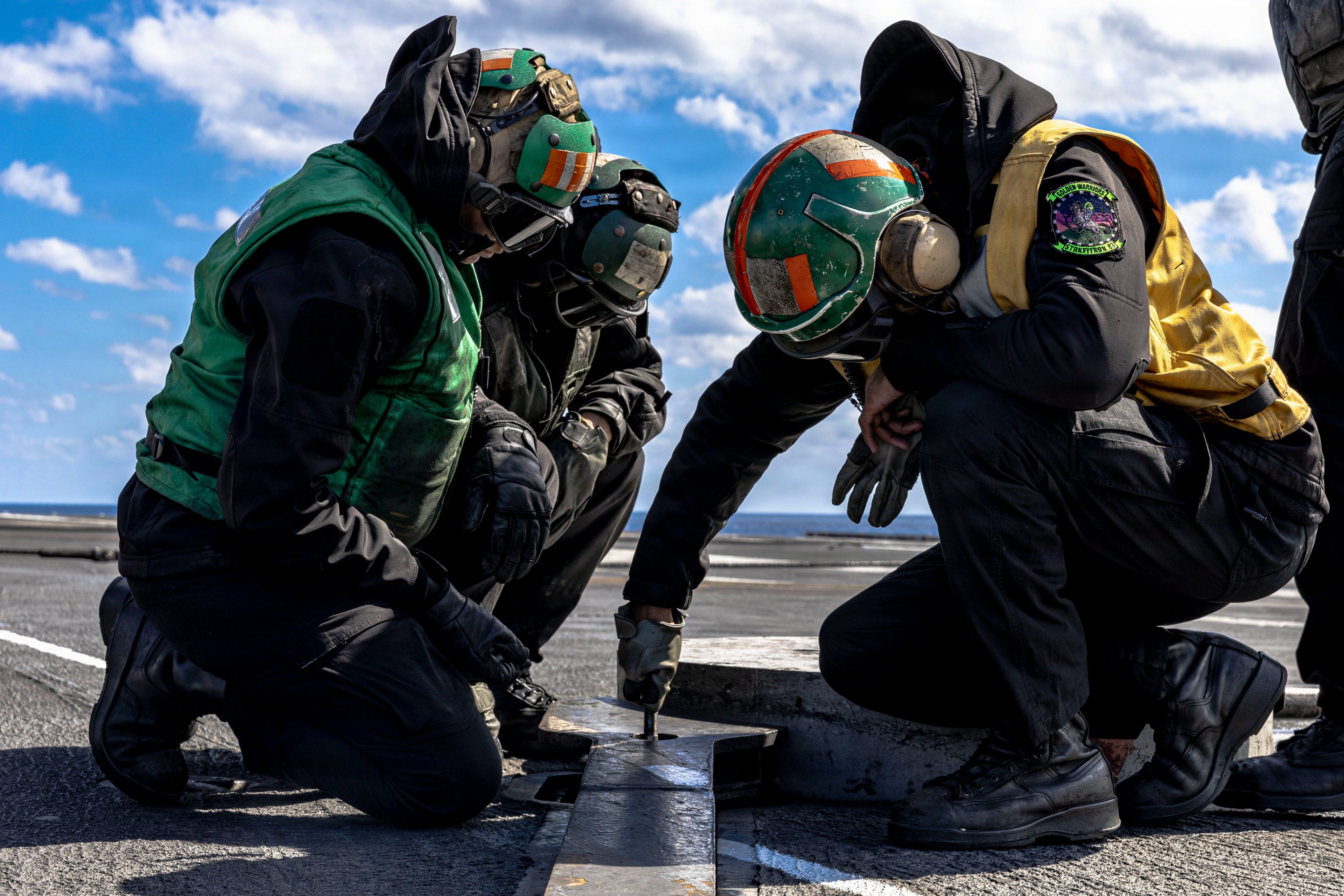
CENTCOM posts video showing US Forces eliminating Iranian threats to the Strait of Hormuz.
U.S. Forces Strike Iranian Naval Targets Near Strait of Hormuz, CENTCOM Releases Video WATCH VIDEO HERE: @ThePatriotOasis U.S. Central Command (CENTCOM) has released footage demonstrating American military operations eliminating Iranian naval threats in and around the Strait of Hormuz, a critical global chokepoint for oil shipments. In the video posted by CENTCOM, U.S. forces are shown conducting precision strikes that destroy multiple Iranian naval vessels, including minelayers positioned to endanger international shipping lanes. The accompanying statement declares: "U.S. forces are destroying Iranian naval targets that threaten international shipping in and near the Strait of Hormuz." These actions are part of the broader Operation Epic Fury, an ongoing campaign aimed at neutralizing Iran's maritime capabilities amid heightened regional tensions. Reports indicate that U.S. and partner forces have already destroyed over 100 Iranian naval vessels, with specific strikes targeting mine-laying boats and other small craft attempting to disrupt transit through the strait. The Strait of Hormuz remains vital, handling roughly 20-30% of the world's seaborne oil trade. Recent Iranian threats to close or mine the waterway prompted swift U.S. responses to safeguard freedom of navigation and protect commercial shipping from potential disruptions. CENTCOM emphasized that these operations employ lethal precision to remove regime threats without broader escalation beyond military necessities. No civilian casualties or damage to oil infrastructure have been reported in connection with these naval strikes. The released video underscores U.S. commitment to maintaining open sea lanes in the face of aggression, as operations continue to degrade Iran's ability to project power in the Persian Gulf.
The Patriot Oasis
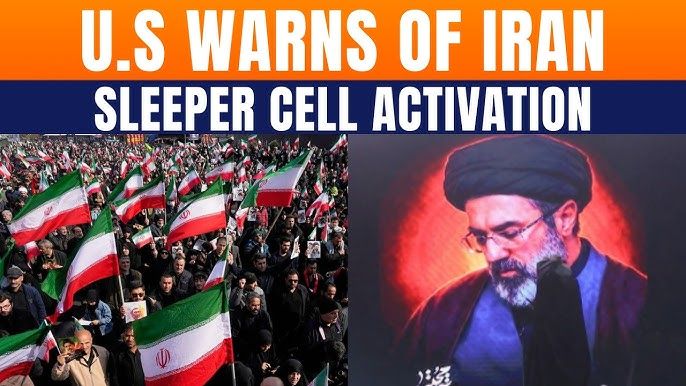
Iran reportedly activating sleeper cells abroad as Trump warns of US threat
Terrorist Sleeer Cells Fresh intelligence intercepts have raised alarms that the Iranian regime may be attempting to activate sleeper cells positioned abroad, prompting heightened vigilance across U.S. law enforcement and counterterrorism agencies. President Donald Trump has responded with a direct and forceful warning, emphasizing that any activation of such threats against American interests will be met with overwhelming force. According to reports from ABC News and other outlets, U.S. intelligence intercepted an encrypted transmission believed to originate from Iran. The message, broadcast from a newly emerged station with international rebroadcast characteristics, is suspected to serve as an "operational trigger" for prepositioned sleeper assets outside the country. The alert, distributed to federal, state, and local law enforcement, highlighted the sudden appearance of the signal and its potential use to activate or instruct covert operatives for retaliatory actions. While the exact contents of the transmissions remain undetermined, experts note that the encryption and rebroadcast design are consistent with signals intended for sleeper cells or proxy operatives affiliated with Iran's Islamic Revolutionary Guard Corps (IRGC) or groups like Hezbollah. Concerns center on possible targets in Europe, the Middle East, and potentially the United States, amid the ongoing Operation Epic Fury — the U.S.-led campaign that has already degraded Iran's military, nuclear infrastructure, navy, drones, and leadership. PRESIDENT TRUMP WAYS IN In response to these developments, President Trump addressed the threat head-on during remarks in Florida. When asked about reports of sleeper cell activation inside the U.S., the President stated that authorities are "very much on top of it" and that American intelligence maintains strong insight into the situation. He reiterated his broader stance against Iranian aggression, warning that any attempt to escalate via terrorism or proxies will invite devastating consequences. Trump's comments align with his recent directives on protecting global energy security and preventing asymmetric retaliation. He has previously made clear that disruptions to critical chokepoints like the Strait of Hormuz — or any broader campaign of terror — would result in Iran being hit "twenty times harder" than current operations. Democrats are holding DHS funding HOSTAGE Counterterrorism analysts, including former FBI officials and experts from think tanks like the Soufan Center, have echoed the urgency. They warn that as Iran's conventional capabilities are systematically dismantled, the regime may increasingly rely on proxies, lone actors, or dormant cells for retaliation. Former Assistant FBI Director Chris Swecker noted that the current moment presents the highest risk for Hezbollah- or Hamas-linked cells to act violently on U.S. soil. Governors in states like Texas have responded by increasing patrols and deploying National Guard units to sensitive areas. No specific, imminent plot has been confirmed on American soil, and officials stress that while the threat environment is elevated, U.S. agencies remain proactive in monitoring and disrupting potential threats. The Department of Homeland Security and FBI continue to coordinate with allies to track IRGC-linked networks worldwide. As Operation Epic Fury progresses toward what President Trump describes as a swift and decisive conclusion, the focus remains on neutralizing Iran's ability to export terror — whether through missiles, drones, or hidden operatives. America First security measures are being reinforced to ensure no foreign regime can strike the homeland with impunity.
The Patriot Oasis
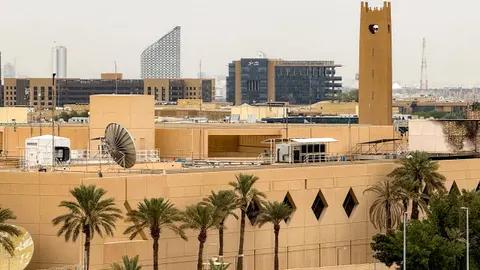
US Embassy orders non-essential staff to leave Saudi Arabia missions
U.S. Embassy in Saudi Arabia Orders Departure of Non-Essential Personnel Amid Escalating Regional Tensions The U.S. Embassy in Saudi Arabia has implemented an ordered departure for non-essential personnel from its diplomatic missions across the Kingdom, as heightened security risks continue to grip the region amid the ongoing U.S.-Israeli conflict with Iran. Ordered Departure Implemented at Key Missions. According to an official regional source speaking to Fox News, non-essential U.S. government employees have been directed to leave the three primary U.S. missions in Saudi Arabia: the Embassy in Riyadh and the Consulates General in Jeddah and Dhahran. The Saudi government was formally notified of the requirement for these personnel to depart. Essential staff and those designated for emergency operations will remain in place to maintain critical functions. The Chargé d’Affaires holds discretion in determining which employees must leave and which can stay to ensure continuity of essential diplomatic and security activities. This move aligns with broader precautionary steps taken by the U.S. Department of State across the Middle East, where authorized or mandatory departures of non-emergency personnel and family members have been enacted in response to threats, including drone and missile attacks, as seen in recent incidents targeting U.S. facilities. Context of Heightened Security Concerns. The decision comes against the backdrop of the war now entering its second week, with Iranian retaliatory strikes—including reported drone attacks on or near U.S. diplomatic compounds in Saudi Arabia—prompting increased vigilance. Recent alerts from the U.S. Mission to Saudi Arabia have warned of imminent threats from missiles and unmanned aerial vehicles (UAVs), particularly over areas like Dhahran, a vital oil hub. The State Department has also urged American citizens in Saudi Arabia and across multiple regional countries to consider departing via commercial means where possible, or to shelter in place with supplies of food, water, medications, and other essentials. Travel advisories emphasize the limited U.S. government’s ability to provide emergency assistance due to the volatile environment. Broader Regional Drawdown and Implications This Saudi-specific order follows similar actions in neighboring countries, including mandatory departures from missions in Bahrain, Iraq, Jordan, Kuwait, Qatar, and the UAE, as well as closures or reduced operations at several embassies. The measures reflect Washington's efforts to protect personnel while sustaining core operations during a period of intense hostilities. No immediate impact on overall U.S.-Saudi bilateral relations has been reported, but the drawdown underscores the precarious security landscape as the conflict expands, with commercial flights disrupted, airspace restricted, and energy infrastructure under threat continuing to affect the region. The U.S. Embassy in Riyadh and consulates in Jeddah and Dhahran have suspended routine consular services, with updates to be provided when operations normalize.
The Patriot Oasis
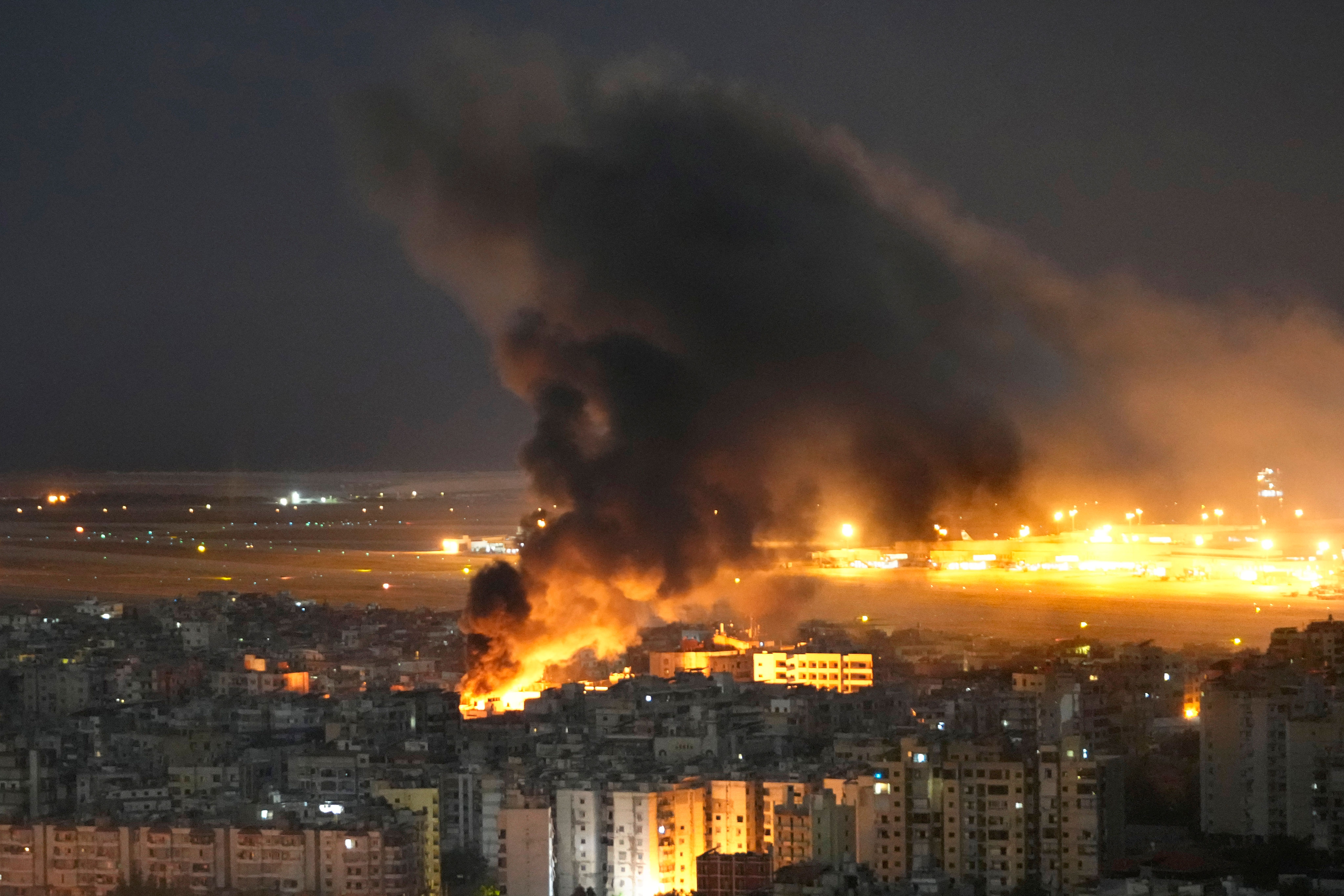
Israel launches new wave of strikes across Iran, warns it will target every successor of Khamenei
Israel has launched a fresh wave of intense airstrikes across Iran, targeting military infrastructure, oil facilities, and regime command centers, while issuing a stark warning that it will pursue and eliminate any successor to the slain Supreme Leader Ayatollah Ali Khamenei. Intensified Airstrikes Target Key Iranian Assets The Israel Defense Forces (IDF) announced early Sunday that it had initiated a new, broad-scale series of strikes deep inside Iranian territory, including in the capital Tehran. Targets reportedly included IRGC air force headquarters, ballistic missile sites, fuel depots, and other critical regime infrastructure. Explosions were reported across Tehran, with thick smoke rising over parts of the city as fires engulfed oil storage facilities. These operations mark a significant escalation in the U.S.-Israeli campaign against Iran, now in its second week following the initial joint strikes on February 28 that killed Ayatollah Ali Khamenei and dozens of top military and political figures. The latest wave comes amid Iran's efforts to stabilize its leadership amid the chaos. Israel Issues Direct Threat to Khamenei's Successor In a pointed message posted in Farsi on social media, the IDF warned that it "will not hesitate to target" anyone involved in appointing or assuming the role of supreme leader. "The long arm of the State of Israel will continue to pursue every successor and every person who seeks to appoint a successor," the statement declared, framing the leadership transition itself as a legitimate military objective. The threat was reiterated by Israeli officials, who described the move as part of a strategy to prevent the consolidation of hardline power and further degrade Iran's ability to direct regional proxy forces. Israeli Defense Minister Israel Katz has previously stated that any named successor would become an "unequivocal target for elimination." Iran Announces Mojtaba Khamenei as New Supreme Leader Despite the warnings and ongoing bombardment, Iran's Assembly of Experts—convened amid the crisis—named Mojtaba Khamenei, the 56-year-old son of the late ayatollah, as the new supreme leader. The appointment was confirmed early Monday through state media and senior clerics, emphasizing continuity and hardline control during the war. Mojtaba Khamenei, long viewed as a shadowy but influential figure with deep ties to the Islamic Revolutionary Guard Corps (IRGC), now assumes the roles of Iran's highest religious authority, political leader, and commander-in-chief of the armed forces. The selection has been seen as a bid to maintain regime stability, though it directly defies Israeli and U.S. pronouncements. U.S. President Donald Trump has called Mojtaba Khamenei an "unacceptable" choice, while reiterating that the campaign aims to eliminate Iran's nuclear threat permanently. Regional and Economic Fallout Continues to Mount The strikes have further disrupted Iran's energy sector, contributing to global oil prices surging past $100 per barrel amid fears of prolonged supply disruptions through the Strait of Hormuz. Iranian officials have vowed intensified retaliation, including potential attacks on regional energy infrastructure, signaling the conflict's entry into a "new phase."Meanwhile, U.S. forces continue supporting operations, with reports of additional strikes on Iranian-linked targets in Lebanon and elsewhere. Civilian casualties and infrastructure damage in Iran remain difficult to verify independently due to restricted access and ongoing hostilities. The developments underscore the high stakes as both sides dig in, with no immediate signs of de-escalation on the horizon.
The Patriot Oasis