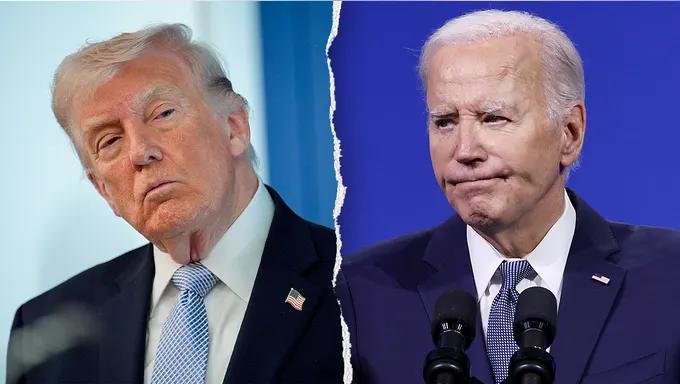
Democrats Push 25th Amendment to Remove Trump Over Iran Rhetoric, But Ignored Similar Concerns During Biden's Tenure
The Patriot Oasis
The Patriot Oasis
Dems Push 25th Amendment to Remove Trump Over Iran Rhetoric, But Ignored Similar Concerns During Biden's Tenure
Congressional Democrats have intensified calls to invoke the 25th Amendment against President Donald Trump following his strong rhetoric and policy actions regarding Iran, including threats tied to the ongoing naval blockade of the Strait of Hormuz and collapsed peace talks.
More than 50–70 House Democrats, along with a handful of senators such as Ed Markey (D-MA) and Ron Wyden (D-OR), publicly urged Trump's Cabinet and Vice President JD Vance to declare him unfit for office under Section 4 of the amendment. Some lawmakers, including Rep. Ro Khanna (D-CA) and Rep. Ilhan Omar (D-MN), labeled Trump's statements as "unhinged" or potential war crimes threats, demanding impeachment as an alternative if the Cabinet refuses to act. axios.comRep. Jamie Raskin (D-MD) and others coordinated briefings on the mechanism, while Rep. John Larson (D-CT) filed articles of impeachment linked to the Iran situation. Critics within the party framed Trump's "all or nothing" blockade enforcement and past comments about targeting Iranian infrastructure as evidence of unfitness.
However, invoking the 25th Amendment faces steep constitutional hurdles: it requires Vice President Vance and a majority of the Cabinet to transmit a written declaration of presidential inability to Congress. Trump enjoys strong support from his administration and Republican majorities in both chambers of Congress, making success highly unlikely. A two-thirds vote in both the House and Senate would be needed to override any presidential veto
Selective Application: Contrast with Biden Era
The surge in Democratic calls highlights a notable inconsistency. During President Joe Biden's term (2021–2025), Republicans repeatedly raised alarms about Biden's visible cognitive and physical decline—evident in public gaffes, the special counsel Robert Hur report describing him as an "elderly man with poor memory," and the disastrous June 2024 debate performance. GOP lawmakers, including Sen. Eric Schmitt and Reps. Clay Higgins and Chip Roy, urged invocation of the 25th Amendment, arguing Biden was unable to discharge his duties as Commander-in-Chief.
Democrats largely dismissed or rejected those calls. Then-House Speaker Nancy Pelosi did not support removing Biden via the 25th. Vice President Kamala Harris and the Cabinet took no action, despite widespread private concerns later detailed in books and reporting about an inner-circle effort to shield Biden from unscripted settings. Democrats instead pressured Biden to exit the 2024 race after the debate, leading to Harris becoming the nominee. Post-presidency revelations, including audio recordings and accounts of a "cover-up," prompted Senate hearings that most Democrats boycotted.
Trump himself noted the disparity, pointing out that Democrats did not pursue the 25th against Biden despite evident issues, while now applying it aggressively to his own tough foreign policy stance.
Broader Context and Political Implications
The current push stems primarily from partisan opposition to Trump's "maximum pressure" approach on Iran, which includes the Strait of Hormuz blockade to cut off oil revenue following failed talks in Pakistan. Democrats argue this escalates risks unnecessarily, while supporters view it as necessary leverage against Tehran's nuclear ambitions and regional aggression.
This episode underscores ongoing debates about the 25th Amendment's role. Designed for genuine incapacity (e.g., physical disability), it has increasingly been floated as a tool for policy disagreements—a use critics say undermines democratic elections. With Republicans controlling the White House, Cabinet, and Congress, these Democratic efforts remain largely symbolic signaling ahead of the 2026 midterms.
As tensions with Iran evolve and oil markets react to the blockade, the partisan divide on presidential fitness remains sharp. The Patriot Oasis will continue tracking developments, including any formal responses from the Trump administration or further legislative moves.
This article draws from public statements and reporting as of April 13, 2026.