Israel launches new wave of strikes across Iran, warns it will target every successor of Khamenei
The Patriot Oasis
The Patriot Oasis
Israel has launched a fresh wave of intense airstrikes across Iran, targeting military infrastructure, oil facilities, and regime command centers, while issuing a stark warning that it will pursue and eliminate any successor to the slain Supreme Leader Ayatollah Ali Khamenei.
Intensified Airstrikes Target Key Iranian Assets
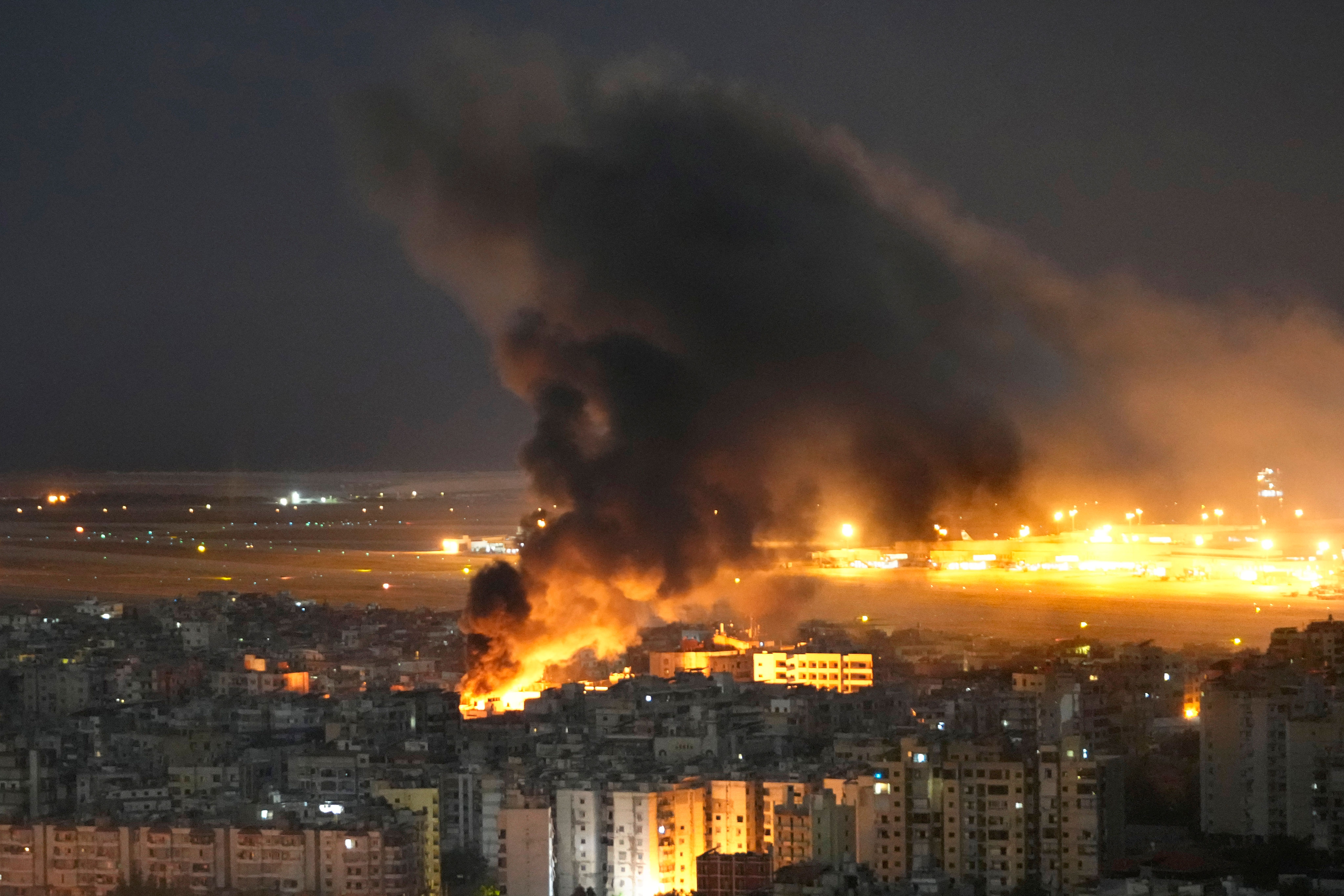
The Israel Defense Forces (IDF) announced early Sunday that it had initiated a new, broad-scale series of strikes deep inside Iranian territory, including in the capital Tehran. Targets reportedly included IRGC air force headquarters, ballistic missile sites, fuel depots, and other critical regime infrastructure.
Explosions were reported across Tehran, with thick smoke rising over parts of the city as fires engulfed oil storage facilities. These operations mark a significant escalation in the U.S.-Israeli campaign against Iran, now in its second week following the initial joint strikes on February 28 that killed Ayatollah Ali Khamenei and dozens of top military and political figures.
The latest wave comes amid Iran's efforts to stabilize its leadership amid the chaos.
Israel Issues Direct Threat to Khamenei's Successor
In a pointed message posted in Farsi on social media, the IDF warned that it "will not hesitate to target" anyone involved in appointing or assuming the role of supreme leader. "The long arm of the State of Israel will continue to pursue every successor and every person who seeks to appoint a successor," the statement declared, framing the leadership transition itself as a legitimate military objective.
The threat was reiterated by Israeli officials, who described the move as part of a strategy to prevent the consolidation of hardline power and further degrade Iran's ability to direct regional proxy forces. Israeli Defense Minister Israel Katz has previously stated that any named successor would become an "unequivocal target for elimination."
Iran Announces Mojtaba Khamenei as New Supreme Leader
Despite the warnings and ongoing bombardment, Iran's Assembly of Experts—convened amid the crisis—named Mojtaba Khamenei, the 56-year-old son of the late ayatollah, as the new supreme leader. The appointment was confirmed early Monday through state media and senior clerics, emphasizing continuity and hardline control during the war.
Mojtaba Khamenei, long viewed as a shadowy but influential figure with deep ties to the Islamic Revolutionary Guard Corps (IRGC), now assumes the roles of Iran's highest religious authority, political leader, and commander-in-chief of the armed forces. The selection has been seen as a bid to maintain regime stability, though it directly defies Israeli and U.S. pronouncements.
U.S. President Donald Trump has called Mojtaba Khamenei an "unacceptable" choice, while reiterating that the campaign aims to eliminate Iran's nuclear threat permanently.
Regional and Economic Fallout Continues to Mount
The strikes have further disrupted Iran's energy sector, contributing to global oil prices surging past $100 per barrel amid fears of prolonged supply disruptions through the Strait of Hormuz. Iranian officials have vowed intensified retaliation, including potential attacks on regional energy infrastructure, signaling the conflict's entry into a "new phase."Meanwhile, U.S. forces continue supporting operations, with reports of additional strikes on Iranian-linked targets in Lebanon and elsewhere. Civilian casualties and infrastructure damage in Iran remain difficult to verify independently due to restricted access and ongoing hostilities. The developments underscore the high stakes as both sides dig in, with no immediate signs of de-escalation on the horizon.